
Every job we’re booked for starts with the same question: have you got your Before You Dig Australia (BYDA) plans? BYDA is the national organisation that took over from the old state-based Dial Before You Dig services. It’s the free referral service that passes your enquiry to the asset owners in your area, who then send you their plans.
Lodging is simple. Most of the questions we get are about what happens after you press the button: what it costs, how long plans take, what to do when one doesn’t turn up, and what to do when they expire. This guide covers all of it.
How do I lodge a BYDA enquiry for a construction project?
Log in to the BYDA website or app, choose Lodge New Enquiry, find your site, draw the boundary of the work area on the map, describe the work and its dates, and lodge it. BYDA’s help centre sets out those same steps.
A few things make the difference on a construction job:
- Draw the whole work area. Include laydown areas, crane pads, service trenches out to the street and anywhere you’ll set up temporary fencing or footings. If your boundary is too tight, the plans won’t cover the area you’re actually digging in.
- Describe the work honestly. Boring, trenching and deep excavation carry different risks from hand digging, so say what you’re actually doing and how deep you’re going.
- Use the “Your reference” field. BYDA lets you add your own job identifier, and it’s carried through to the emails you get. On a site with several enquiries, that saves a lot of confusion.
- Lodge early. BYDA asks you to lodge at least one business day before work begins. On a construction project we’d lodge well before that, because the plans feed into your design, your safe work method statement and your locate booking.
Your contact details matter too. BYDA notes that asset owners may need to contact you to discuss your plans, so make sure the person named will answer the phone.
How much does a BYDA enquiry cost for a large project?
Lodging a BYDA enquiry is free. BYDA’s FAQs say some asset owners may charge for supplying information, but normally only for large development enquiries, or planning and design enquiries where no excavation is taking place.
Separately, asset owners may charge if you ask them to locate their own assets on site or give on-site advice. BYDA’s advice is to check fees directly with the relevant asset owner. We can’t tell you what any particular owner charges, because that’s up to them.
Do I need BYDA plans for a development application?
BYDA plans are useful at design stage, and BYDA’s own FAQs mention planning and design enquiries as a type of enquiry. Whether your council or planning authority requires them as part of an application is a question for that authority, so check their requirements before you lodge.
What we’d say from the field is this: the earlier you know what’s in the ground, the cheaper it is to design around. A sewer main or a high-voltage cable discovered at excavation stage can mean redesign, delays and variations. Many designers pair early BYDA plans with service mapping so the drawings show what’s actually there.
How long does it take to get BYDA plans back after lodging an enquiry?
BYDA says its members are encouraged to respond within two business days. That’s an encouragement, not a guarantee, so some plans will arrive sooner than others.
The plans don’t come from BYDA. Each asset owner sends its own response directly to the email address on your BYDA account. That’s why they arrive at different times, and why one missing plan doesn’t mean the others are wrong.
What is a BYDA enquiry confirmation sheet?
The confirmation sheet is BYDA’s record of your enquiry. It lists the asset owners who were sent your enquiry and their contact details. You’ll see a confirmation page as soon as you lodge, and you’ll also get a confirmation email.
Treat it as your checklist. BYDA says you can expect a response from each asset owner listed, so tick them off as the plans arrive. BYDA also asks you to keep a copy of the confirmation sheet with you while working on site.
What do I do if an asset owner does not respond to my BYDA enquiry?
Contact them directly, using the details on your confirmation sheet. BYDA says you must wait until you’ve received all the plans from affected asset owners before you start excavating.
When you call or email, quote your enquiry details and the job reference. Keep a note of who you spoke to and what they said, and file it with the job. If the owner tells you it has no assets in the area, ask them to confirm that in writing.
Why are BYDA plans sometimes missing an asset owner?
There are two common reasons. Either an owner on your confirmation sheet hasn’t responded yet, or the owner isn’t a BYDA member at all. BYDA states plainly that not all of Australia’s infrastructure asset owners are members.
The first one is easy to spot: compare the plans you’ve got against the confirmation sheet. The second is harder, because a non-member never appears on the sheet in the first place. Think about who else might own something under your site. Councils, private networks on large sites, and the property owner’s own services are the usual gaps. Our post on what BYDA plans don’t show covers this in more detail.
How long does a BYDA enquiry stay valid?
There isn’t one validity period for every plan. BYDA says each plan has an expiry date, that it can vary between asset owners, and that you’ll find it on the plans or information pack.
So check every response, not just the first one. On a job with half a dozen asset owners, you may have several different expiry dates. The earliest one is the one that matters.
How do I renew a BYDA enquiry that is about to expire?
Lodge a new enquiry. BYDA says that if plans have expired, a new enquiry must be lodged so current plans are always on site. You should also lodge a new enquiry if the scope of work changes.
We didn’t find any BYDA guidance on extending an existing enquiry, so plan for a fresh one. On long projects, put the earliest expiry date in the program, and lodge again with enough time for every owner to respond before the old plans run out. A scope change, such as a new trench alignment or a deeper excavation, also means a new enquiry, even if the old plans are still in date.
What happens once the plans arrive?
Getting your plans back is the start, not permission to dig. BYDA is clear that receiving all the responses is not approval to proceed with excavation. You still need to read each plan and its conditions, check for permits, and get the services located and exposed where needed.
Our next two guides pick up from here:
- How to read BYDA plans: legends, scale, indicative locations and depth
- BYDA plans arrived: what to check before anyone digs: the on-site checklist for project managers and supervisors
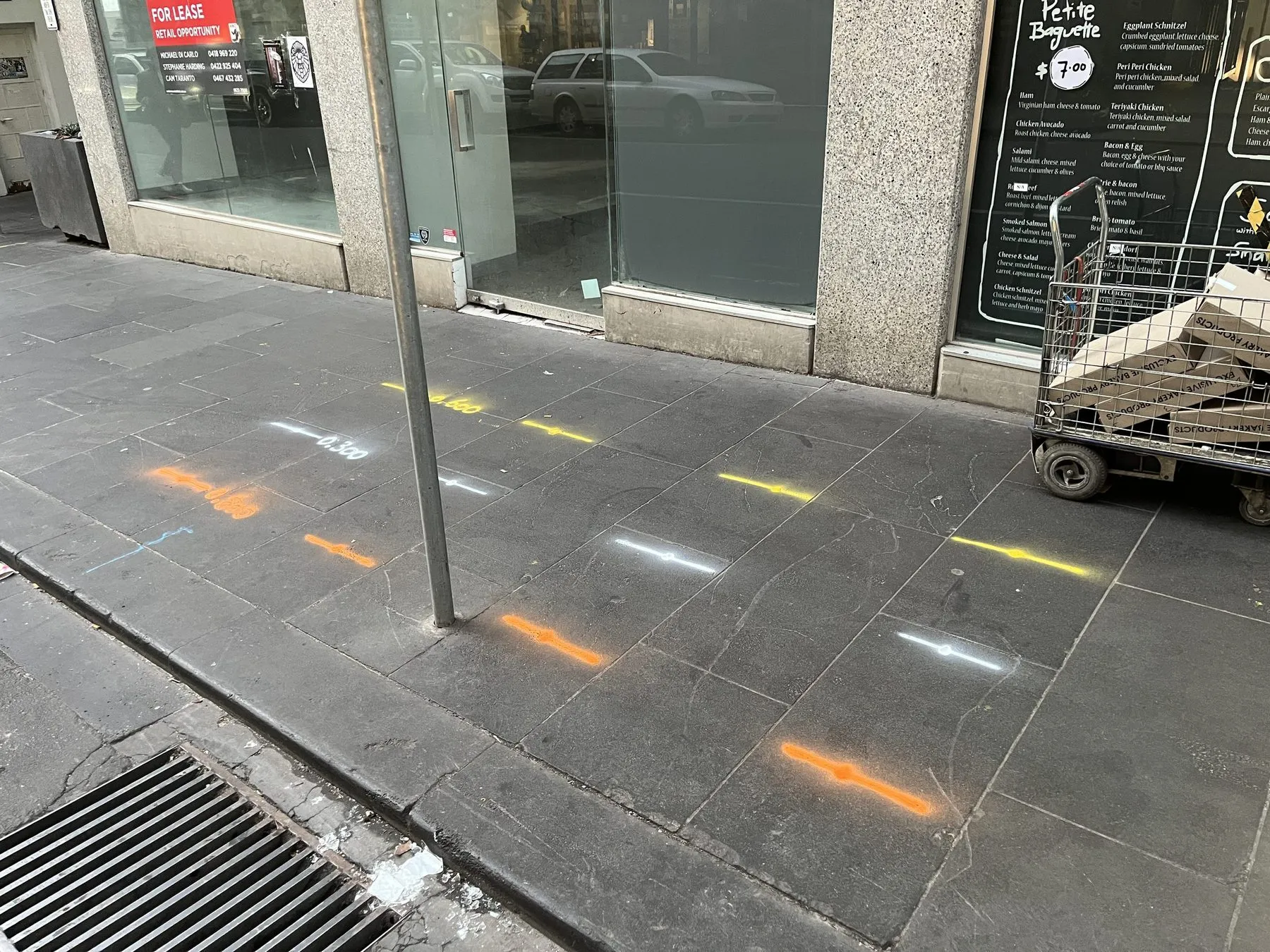
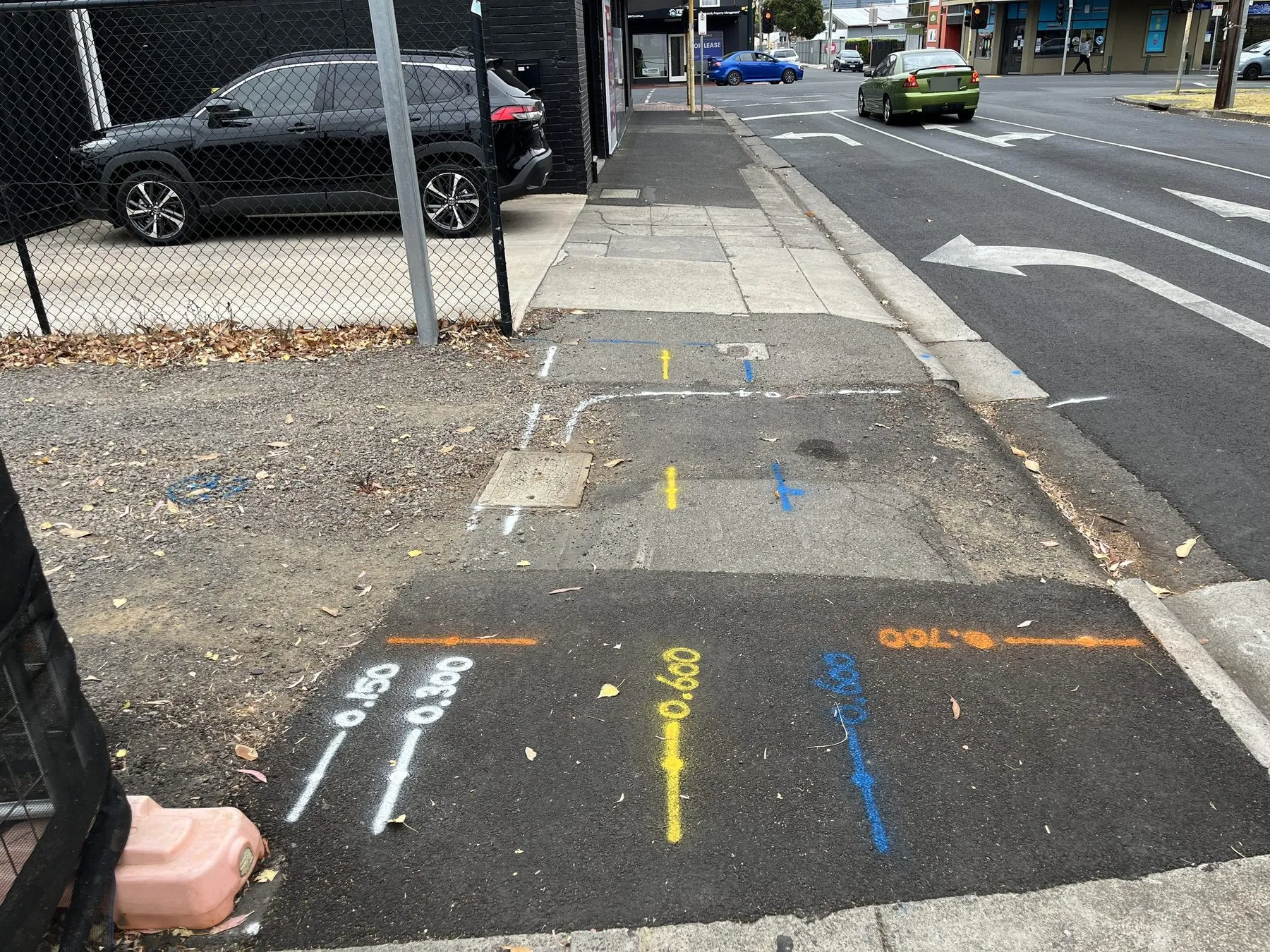
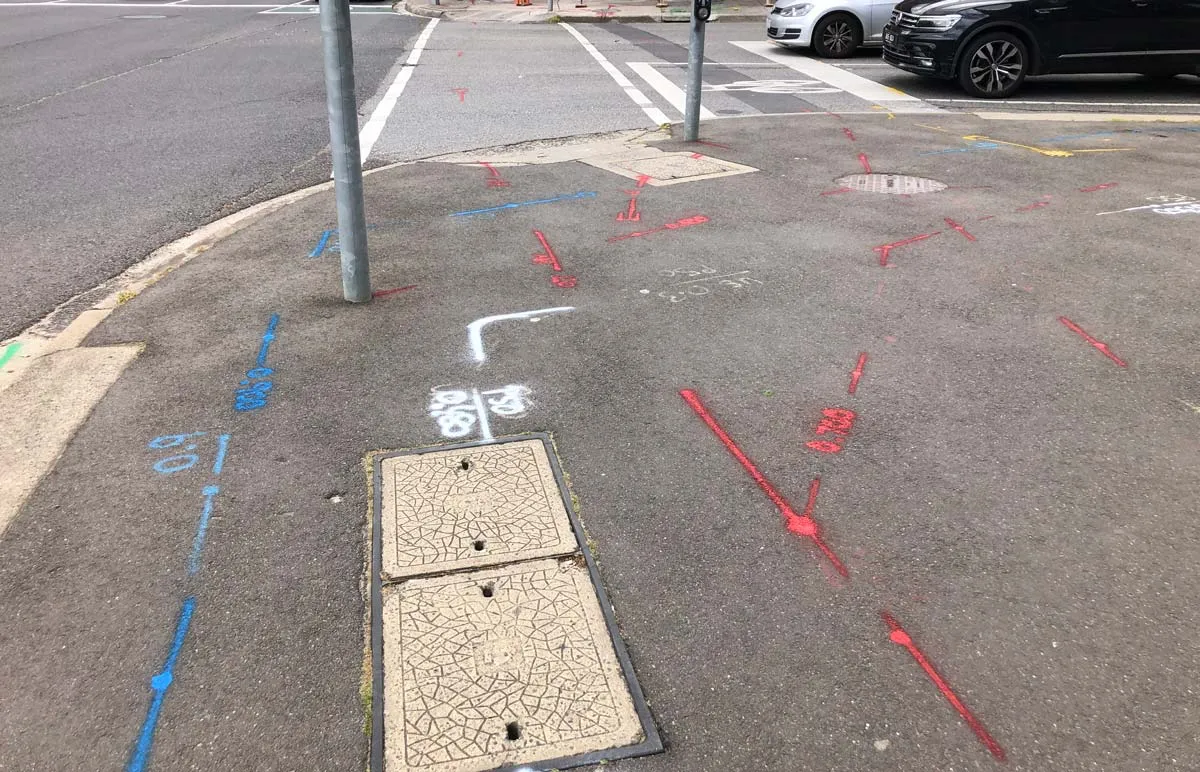
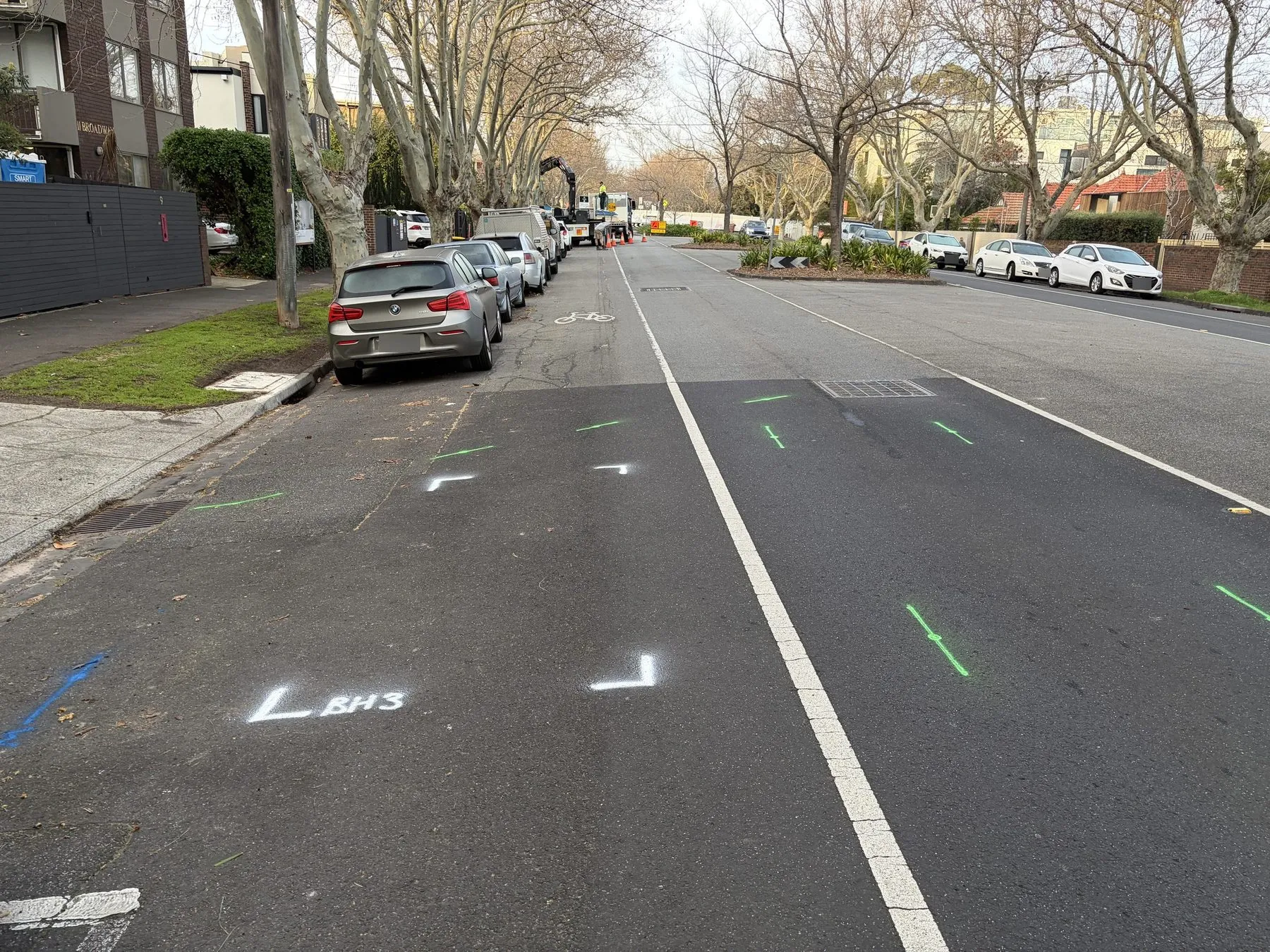
When it’s time to find what’s actually in the ground, we trace services with electromagnetic locating and mark them out before your crew starts.
If you’ve got BYDA plans and a dig coming up, call us or request a callback.