
Underground service locating on the Bellarine
The Bellarine Peninsula is on our doorstep from our Geelong base. We locate underground services for builders, trades and engineers in the growth towns of Leopold, Drysdale and Clifton Springs, the coastal towns of Ocean Grove and Barwon Heads, and the older streets of Portarlington, St Leonards and Queenscliff.
Aus-Scan provides underground service locating, GPR scanning and service plans across the Bellarine Peninsula, from Leopold and Drysdale to Ocean Grove, Portarlington and Queenscliff. We order Before You Dig Australia (BYDA) plans, locate and mark services on site, and send a report when we're done.
Leopold, Drysdale and Clifton Springs have grown a lot, with new estates filling in the land around the older town centres. That means civil works and new connections while the estates are built, and then a long tail of smaller jobs once people move in: fences, retaining walls, pools, sheds, solar and landscaping. Each of those involves digging near services that only went in a few years earlier, plus the private services each owner has added since, none of which are on BYDA plans. Builders working through several lots in the same estate can book them together, and each lot is located and reported the same way. Retaining walls and fences along boundaries are worth a locate even in new streets, because connections and shared services can run close to the boundary line.
Ocean Grove and Barwon Heads mix permanent homes, holiday houses and newer estates. Renovations, extensions and knock-down rebuilds are common, and so are pools and new outdoor areas. On an older block, what's underground can be a patchwork of whatever each owner added over the years. On a newer one the services are recent, but the private runs from the meter to the house, the garage and the backyard still aren't on any plan. Owners of holiday houses aren't always around, so we can meet the builder or property manager on site and send the report to everyone who needs it.
Queenscliff, Point Lonsdale, Portarlington, St Leonards and Indented Head are older towns, and Queenscliff in particular has heritage streetscapes and long-established buildings. Services on older properties have often been altered, replaced or abandoned over time, and the records may not match what's in the ground. Before digging near an older building or under an established street, we locate what's there and mark everything we find, including lines that may no longer be in use, so there are fewer surprises once the ground is open. Older properties also tend to come with limited access, established gardens and mature trees, so we work out where the excavator will go as well as where the services are.
The Bellarine is split between two councils. Most of the peninsula is in the City of Greater Geelong, while Queenscliff and Point Lonsdale are in the Borough of Queenscliffe. Barwon Water runs water and sewer across the peninsula, and Powercor runs the electricity network. Those public networks show on BYDA plans, but the private services inside each property boundary don't, and that's where a locate on site matters most for homeowners and trades. Knowing which council you're dealing with matters for permits and road-reserve works, and knowing which services are private tells you who's responsible if something needs to move.
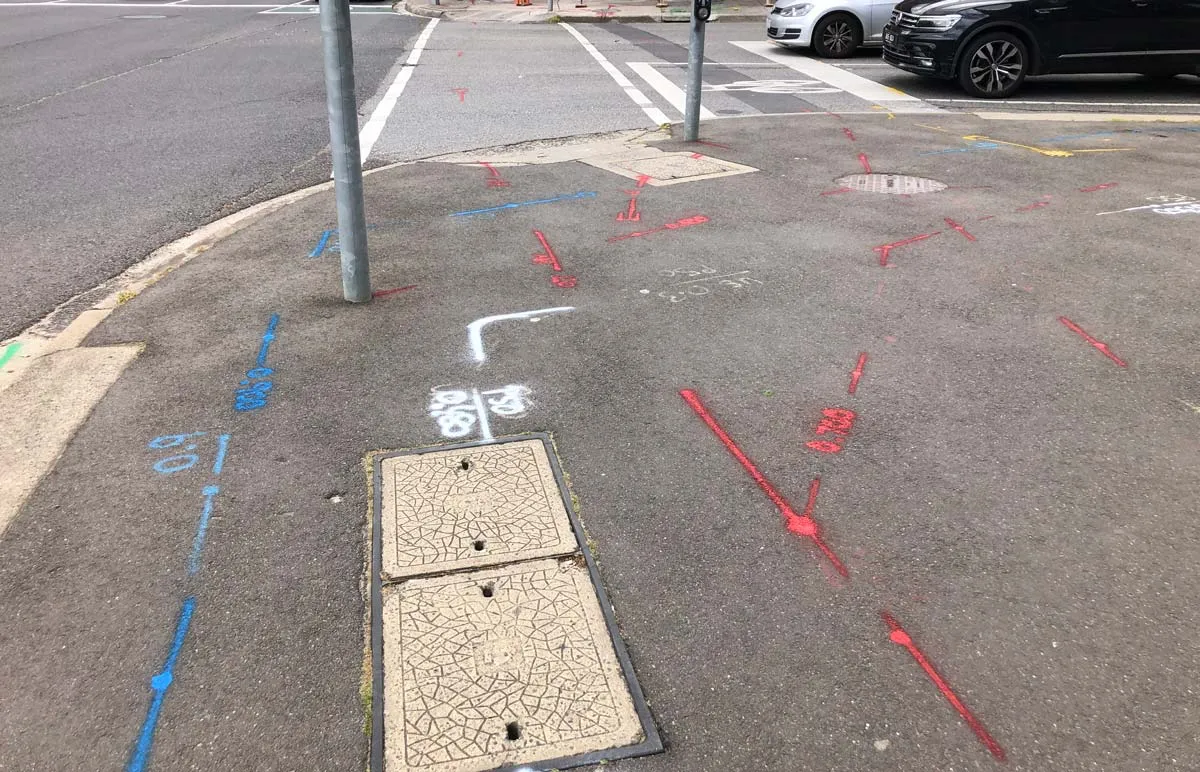
On a typical Bellarine job we start with the BYDA plans, trace each service on site with an electromagnetic locator, and switch to GPR where there may be plastic pipes or other services that can't be traced. Everything we find is marked out in the standard colours, with depths where we can get them, and you get a photo report at the end. Engineers and designers working on subdivisions or commercial sites in the growth towns can ask for a detailed service plan instead. For pool builders and landscapers, a locate before the dig costs far less than repairing a cut cable or a broken water line halfway through a job.
Typical jobs in Bellarine
- Fences, retaining walls, pools and sheds in the Leopold, Drysdale and Clifton Springs estates
- Extensions and knock-down rebuilds in Ocean Grove and Barwon Heads
- Locating around older buildings and established streets in Queenscliff, Point Lonsdale and Portarlington
- Trenching for power, water and stormwater to garages, studios and tanks
- Solar, battery and EV charger trenching for new homes in the growth towns
- Pool and landscaping digs in Ocean Grove, Barwon Heads and Point Lonsdale
- Service avoidance for bore holes and test pits on subdivision and development sites
- Service plans for designers and engineers
Getting to you
The Bellarine is close to our Geelong base. Leopold and Drysdale are a short drive away, with Queenscliff and Point Lonsdale at the far end of the peninsula. Call with the site address and what you're doing, and we'll give you the earliest time. If you've got several jobs on the peninsula, book them together and we'll plan the day around them.
Ready to book? Talk to us about your site.
Call 0423 229 332What we locate here.
Service Locating
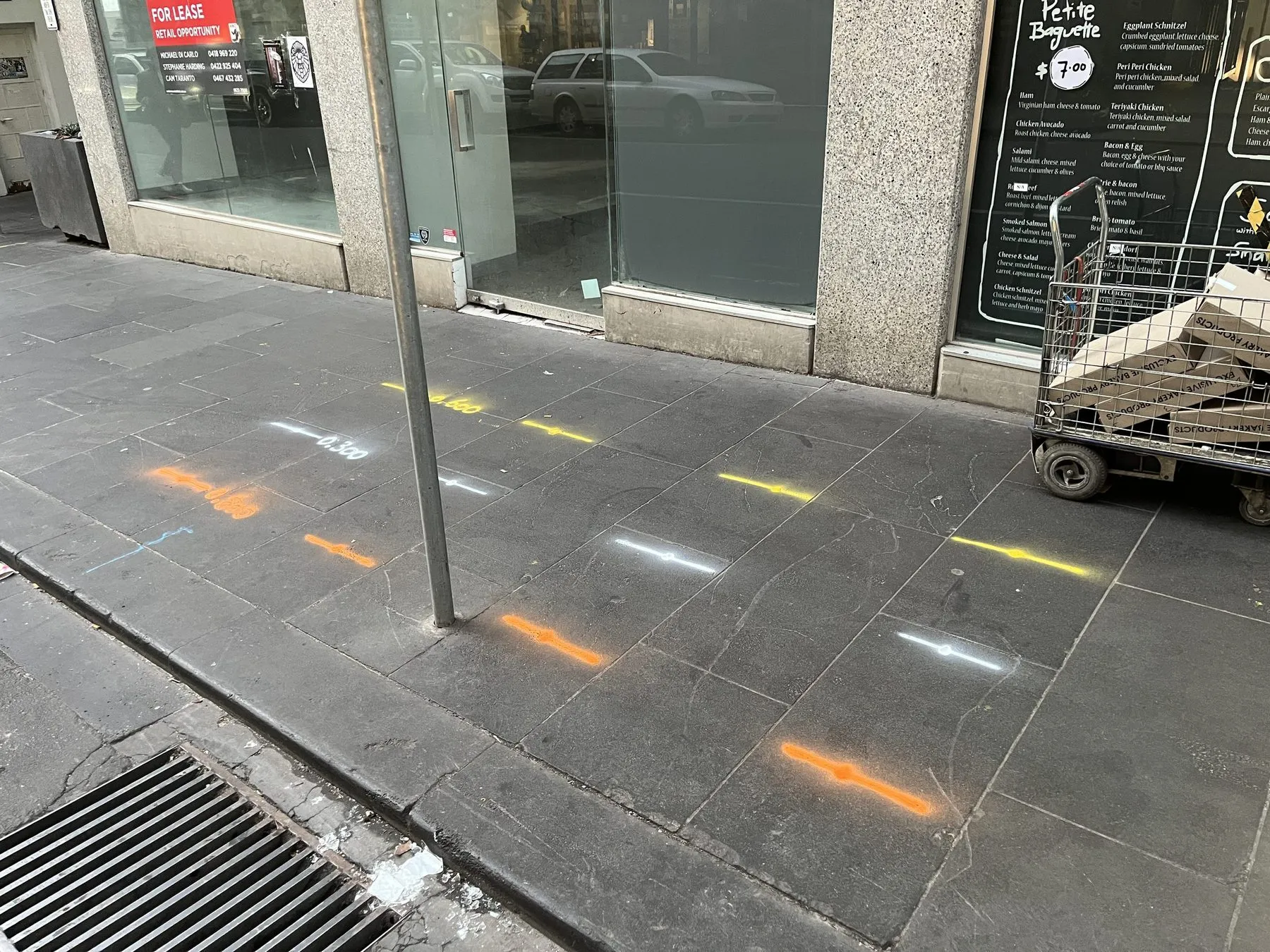
Trace live cables and pipes for position, depth and type.
Service Locating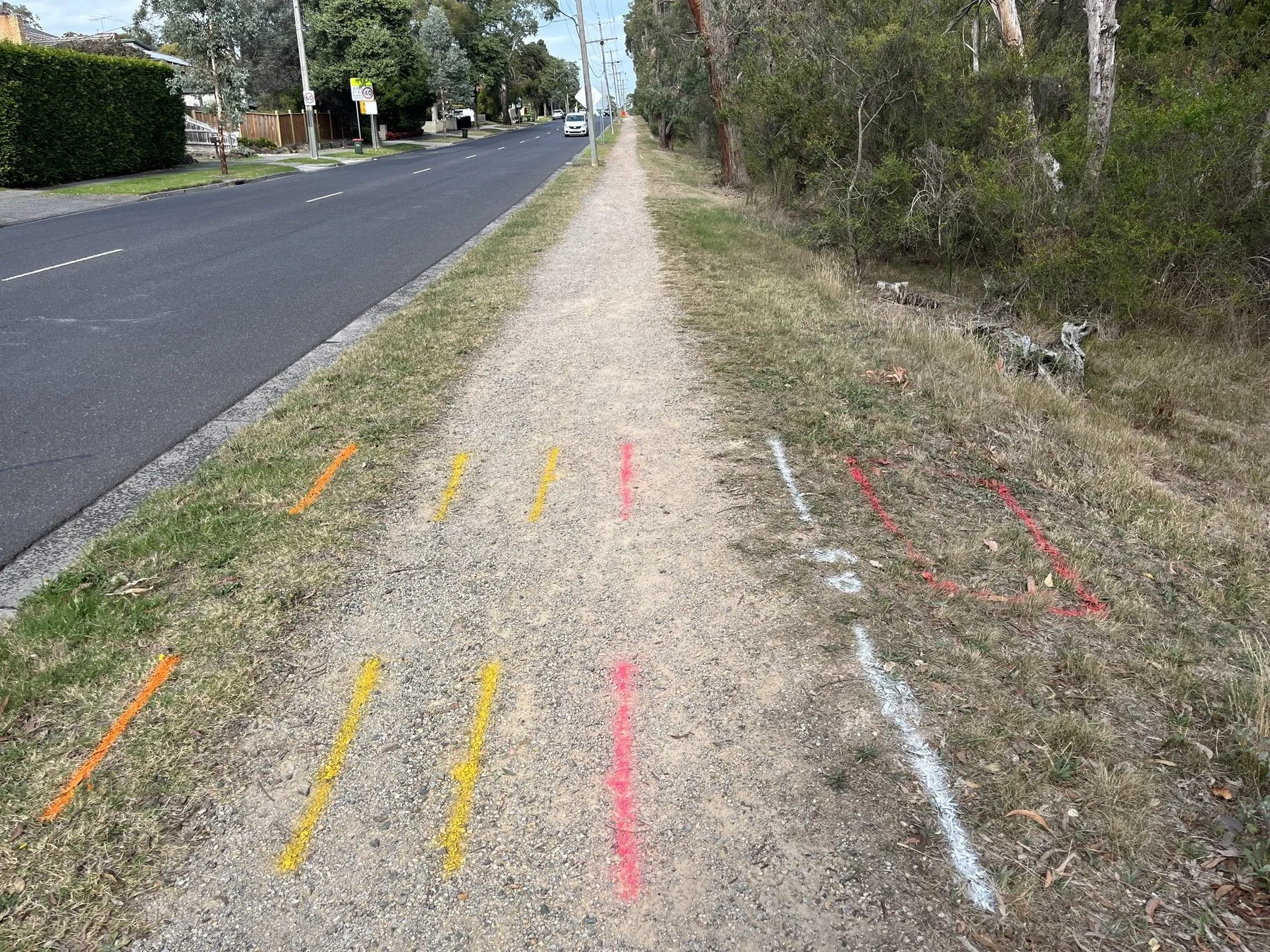
GPR Scanning
Find what EM can't: plastic pipes, footings, voids and wet ground.
GPR Scanning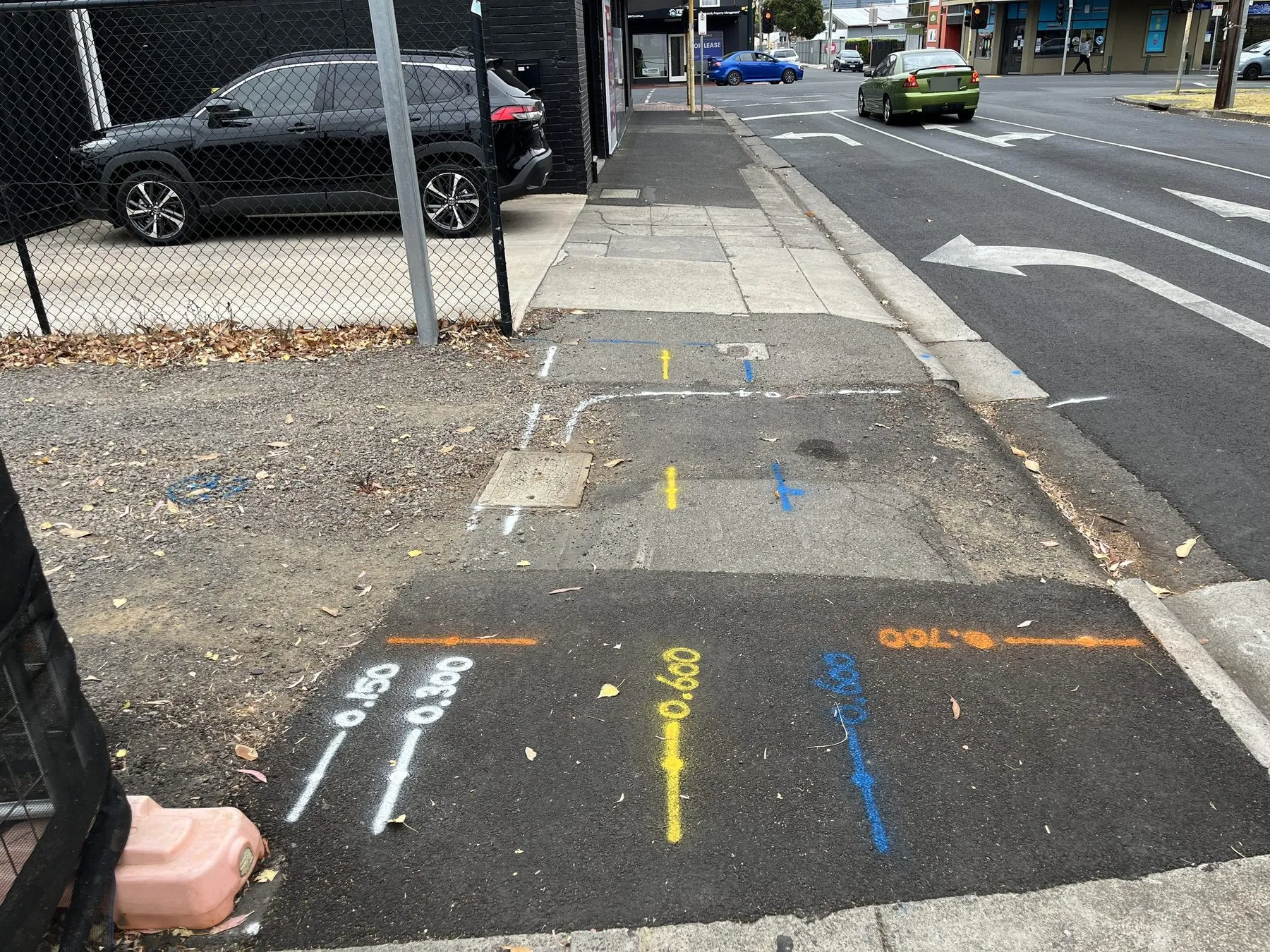
Plans & Reports
A photo report on every job, or a detailed plan with quality levels.
Plans & Reports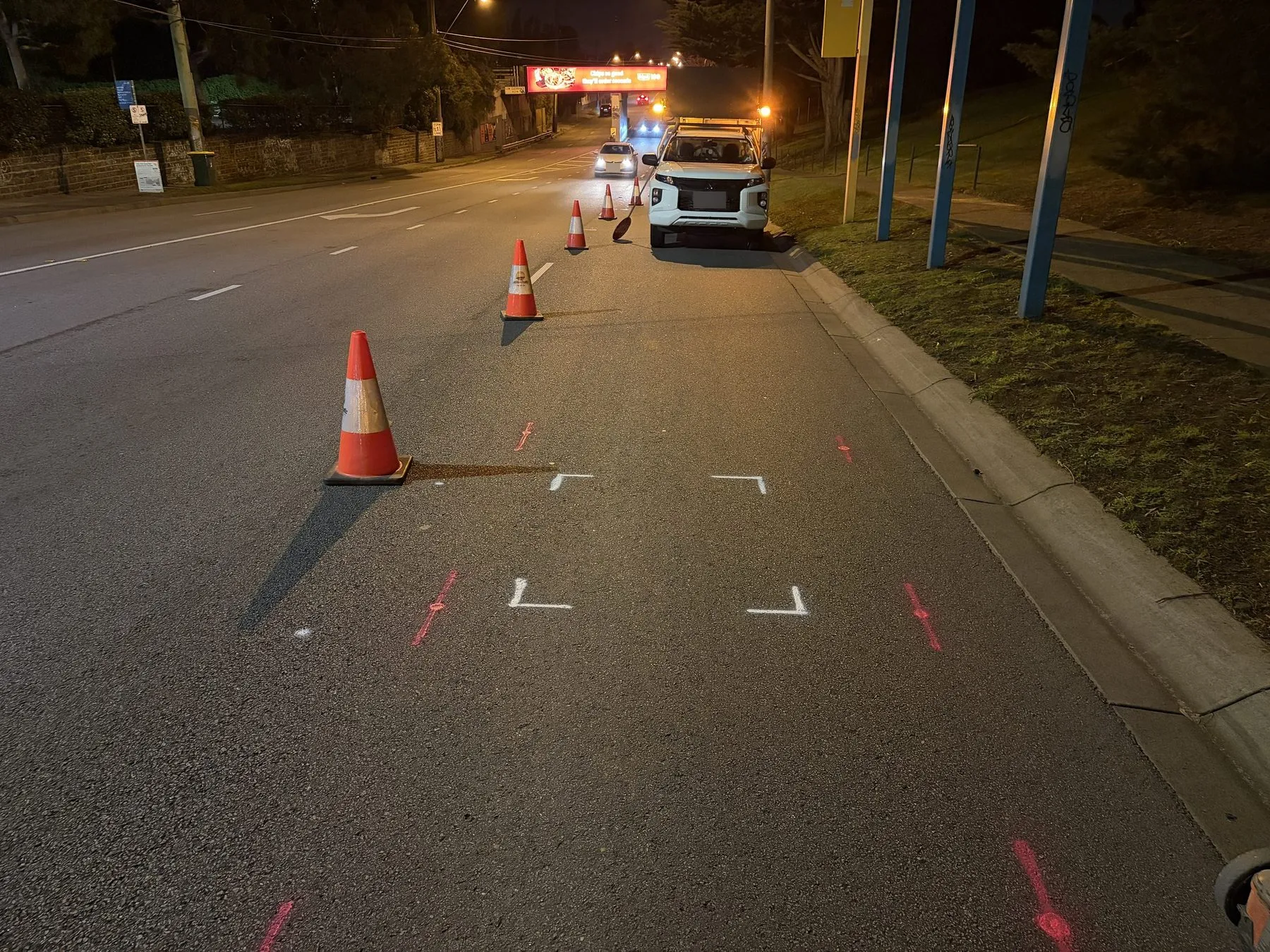
Service Avoidance
Service-clear spots for bore holes, test pits and DCP tests.
Service AvoidanceCommon questions.
Do I need a locator if I already have BYDA plans?
Usually, yes. Before You Dig Australia (BYDA) plans show roughly where each asset owner thinks their services run, and they stop at your property boundary. A locator finds where the services actually are on the day, including private services such as power to a shed or a water line to a tank, which never appear on BYDA plans.
What does service locating cost?
It depends on the size of the site, how many services there are, the method needed (EM locating, GPR or both), the type of report and travel time. Call us with the address and the scope of your works and we'll give you a price.
How long does a locate take?
A typical residential locate takes one to two hours on site. Larger commercial or civil sites can take a day or more. We'll give you an idea of timing when you call.
What do the paint colours mean?
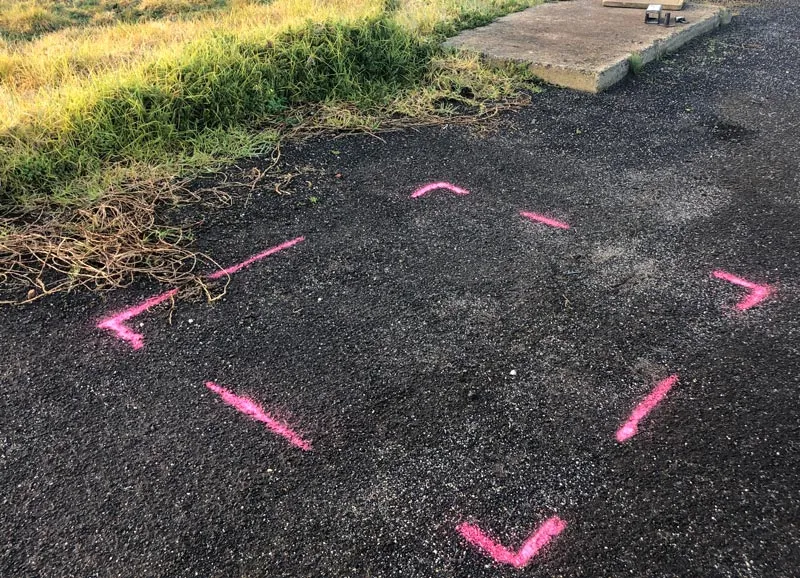
We mark services in the standard Australian colours from AS 5488: orange for electricity, yellow for gas, blue for water, green for storm water, brown for sewer, red for fire services, purple for recycled water, white for communications, and pink for a service we've found but can't identify. Depths are written beside the marks.
What's in the report?
Every job ends with a report. As standard that's a photo report of the services marked on site. If you need it, we supply a detailed plan of the services located, with the depth, material and quality level of each one.
Is underground scanning the same as service locating?
Mostly, yes. Service locating, underground locating, utility scanning and tracing pipes and cables all describe finding what's buried before you dig. In practice we use two tools together: an electromagnetic locator to trace conductive cables and pipes, and ground penetrating radar to scan for plastic pipes, voids and other things a locator can't follow.
We also cover.