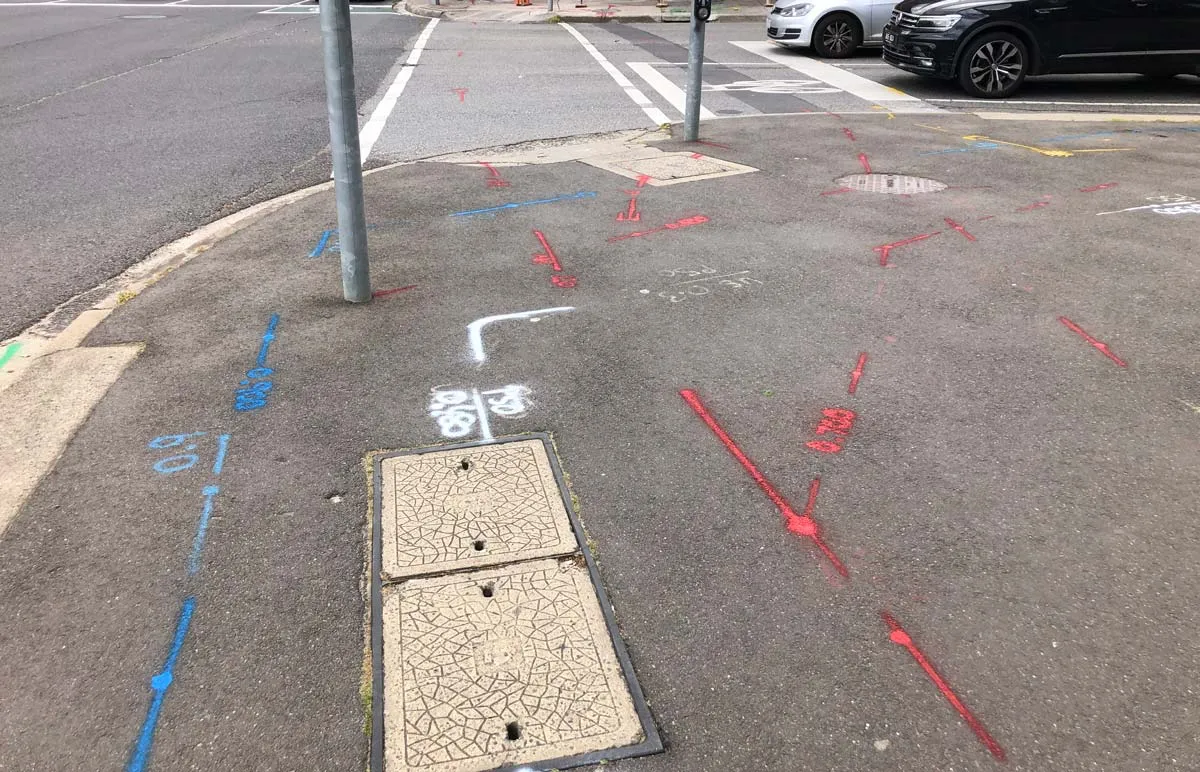

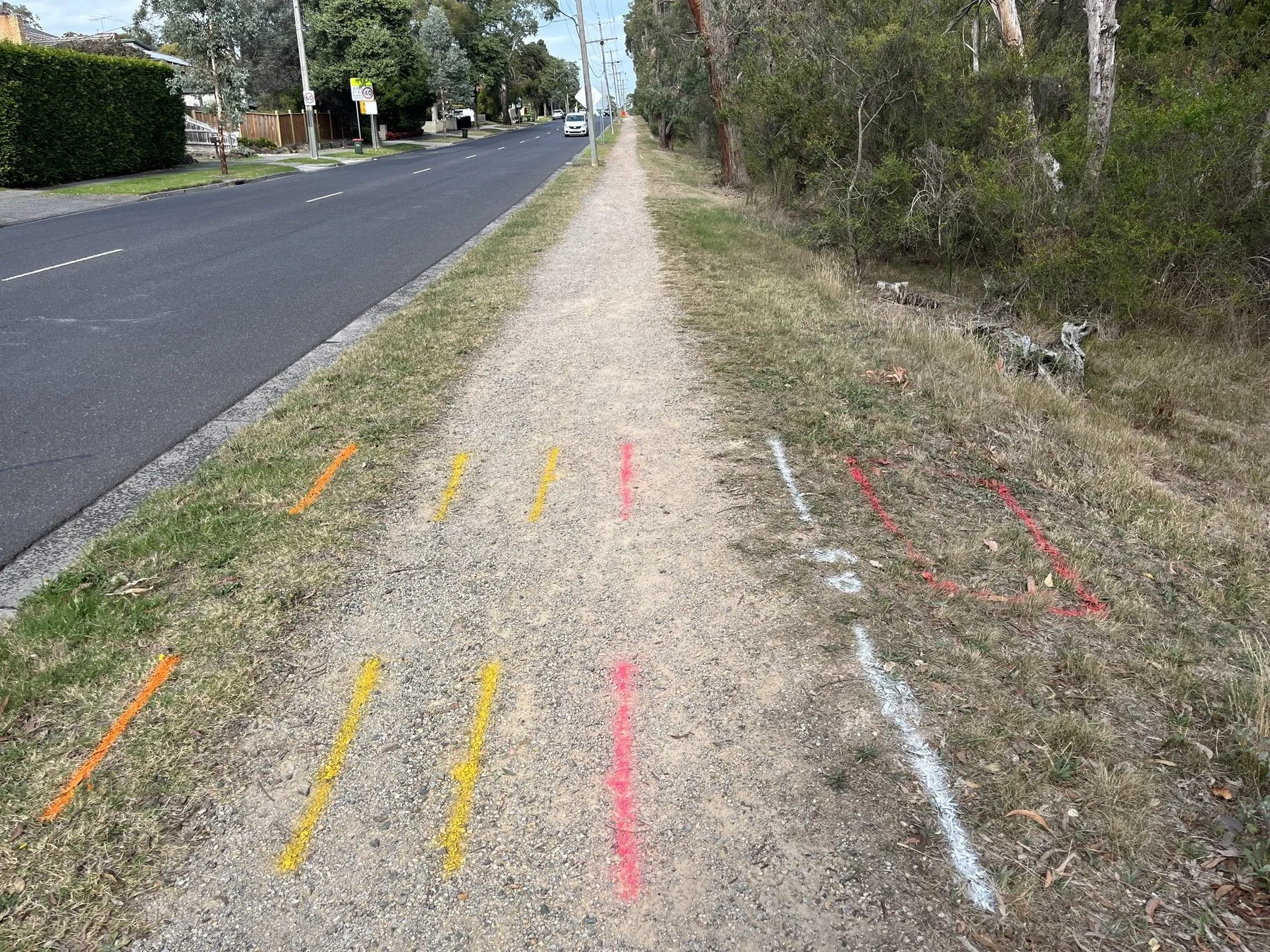
Ground penetrating radar gives us a live picture of what's under the surface. We use a GSSI GPR to find non-conductive pipes, changes in ground conditions, tanks, voids and wet areas that an electromagnetic locator can't detect.
What GPR finds
GPR sends radar pulses into the ground and records what reflects back. That lets us see services and features an electromagnetic locator can’t, including:
- Plastic (PVC and PE) and asbestos cement pipes with no tracer wire
- Footings, old foundations and buried structures
- Underground tanks
- Voids, soft spots and wet areas
- Changes in ground conditions
Underground and utility scanning
GPR is what most people mean by underground scanning or utility scanning. The radar builds a picture of what’s below the surface, so we can find services and structures that have no signal for a cable locator to follow. On most jobs we combine it with electromagnetic locating to cover everything in the ground.
Where it works best
GPR isn’t suited to every site. Moisture and heavy clay absorb the signal and reduce how deep it can see, and rubble or reinforcing can scatter it. We’ll tell you upfront if your site is likely to limit it. On most jobs it’s an essential partner to electromagnetic locating, not a replacement for it.
Common uses
- Confirming plastic services before excavation
- Scanning crane and outrigger pads for voids
- Locating old underground fuel and oil tanks
Common questions.
How deep can GPR see?
It depends on the ground. In dry, sandy soil GPR can see a few metres down. In wet ground or heavy clay the signal is absorbed much faster and the useful depth drops a long way. We'll tell you upfront if your site's conditions are likely to limit it.
Why doesn't GPR work everywhere?
Radar signals are absorbed by moisture and clay, and scattered by rubble and reinforcing. GPR isn't suited to every site, but it's an essential tool alongside electromagnetic locating.
Can you find plastic pipes?
Often, yes. A cable locator can't trace plastic pipes unless they have a tracer wire, but ground penetrating radar can detect them in suitable ground. That's why we use both methods together.
Is underground scanning the same as service locating?
Mostly, yes. Service locating, underground locating, utility scanning and tracing pipes and cables all describe finding what's buried before you dig. In practice we use two tools together: an electromagnetic locator to trace conductive cables and pipes, and ground penetrating radar to scan for plastic pipes, voids and other things a locator can't follow.
Do I need a locator if I already have BYDA plans?
Usually, yes. Before You Dig Australia (BYDA) plans show roughly where each asset owner thinks their services run, and they mostly stop at your property boundary. A locator finds where the services actually are on the day, including private services such as power to a shed or a water line to a tank, which don't typically appear on BYDA plans.
What does service locating cost?
It depends on the size of the site, how many services there are, the method needed (EM locating, GPR or both), the type of report and travel time. Call us with the address and the scope of your works and we'll give you a price.
Related services.
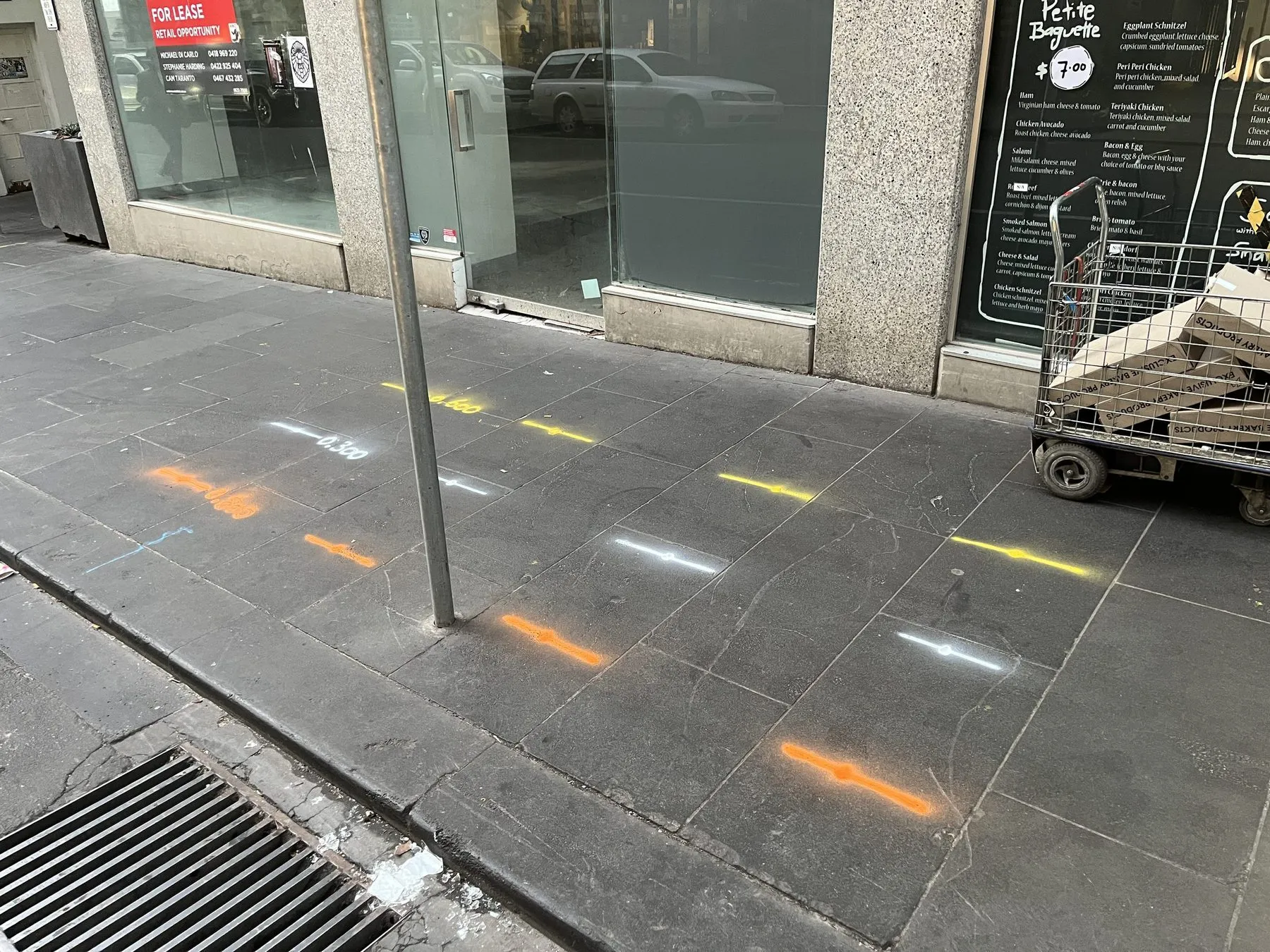
Service Locating
Trace live cables and pipes for position, depth and type.
Service Locating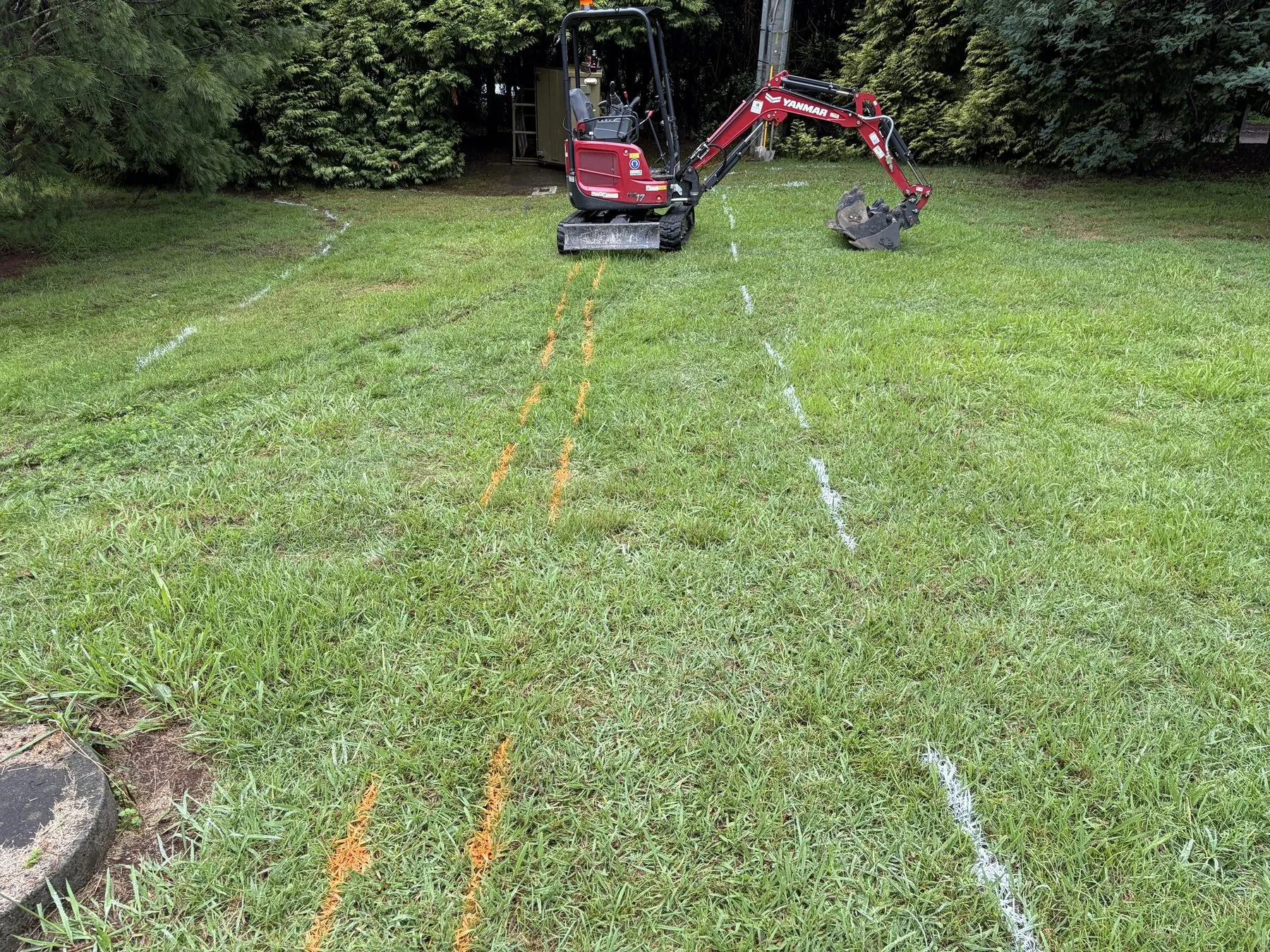
Crane Scans & Void Detection
Check outrigger pads for voids and soft ground before the lift.
Crane Scans & Void Detection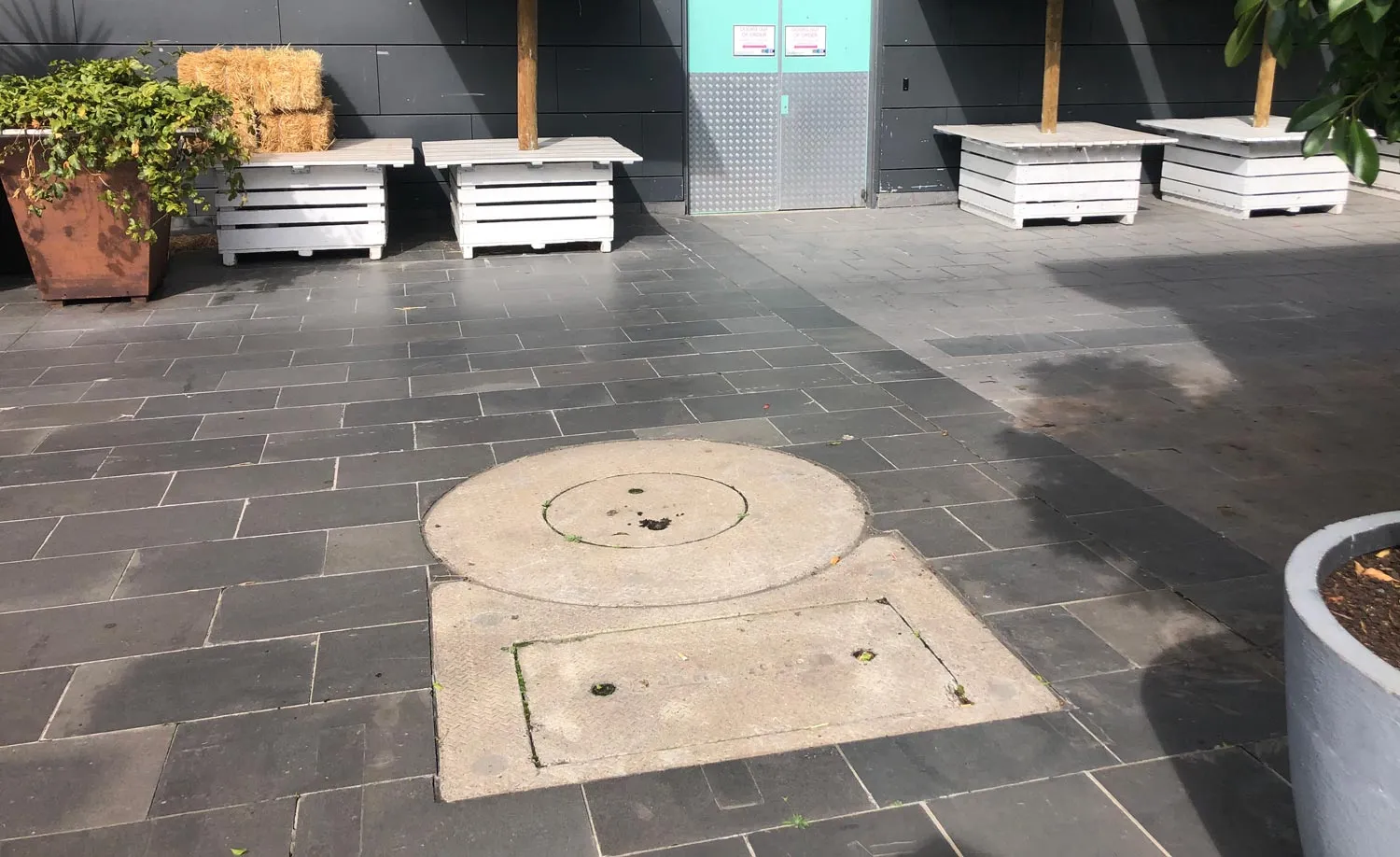
Underground Tank Detection
Find the position, depth and extent of old fuel and oil tanks.
Underground Tank DetectionGPR Scanning across Victoria.