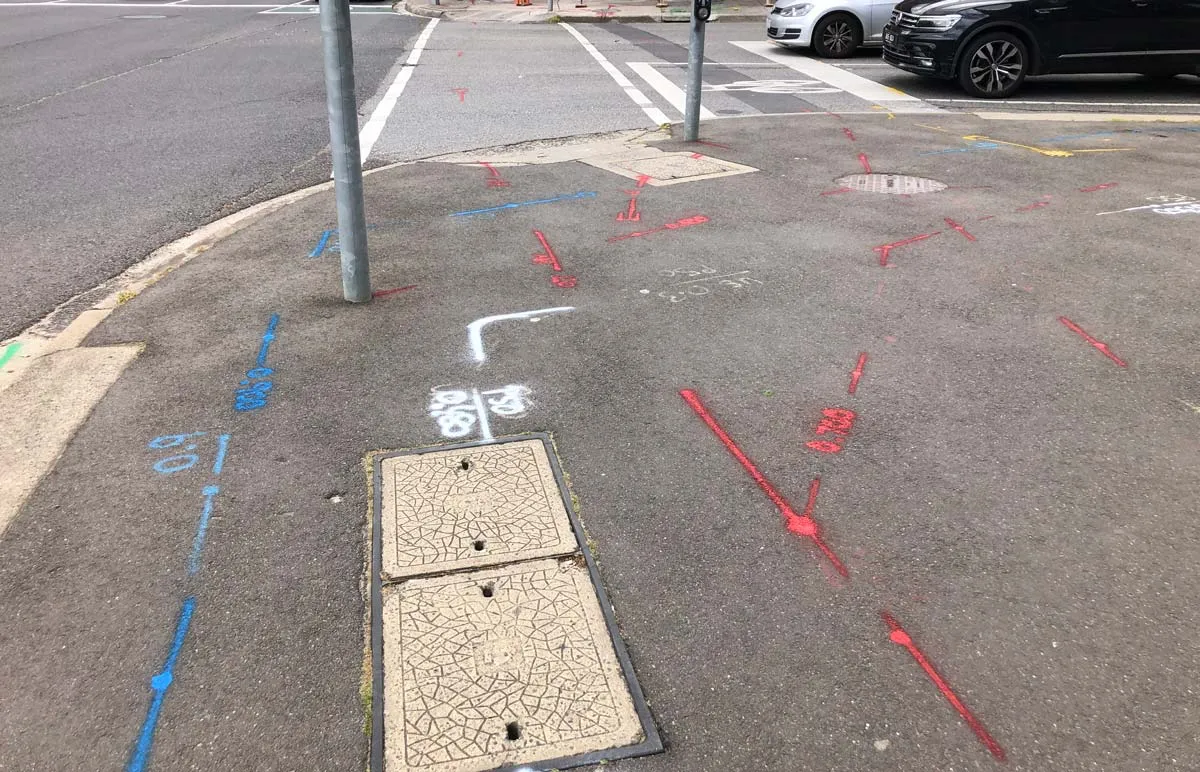

Service avoidance for bore holes, test pits and DCP tests
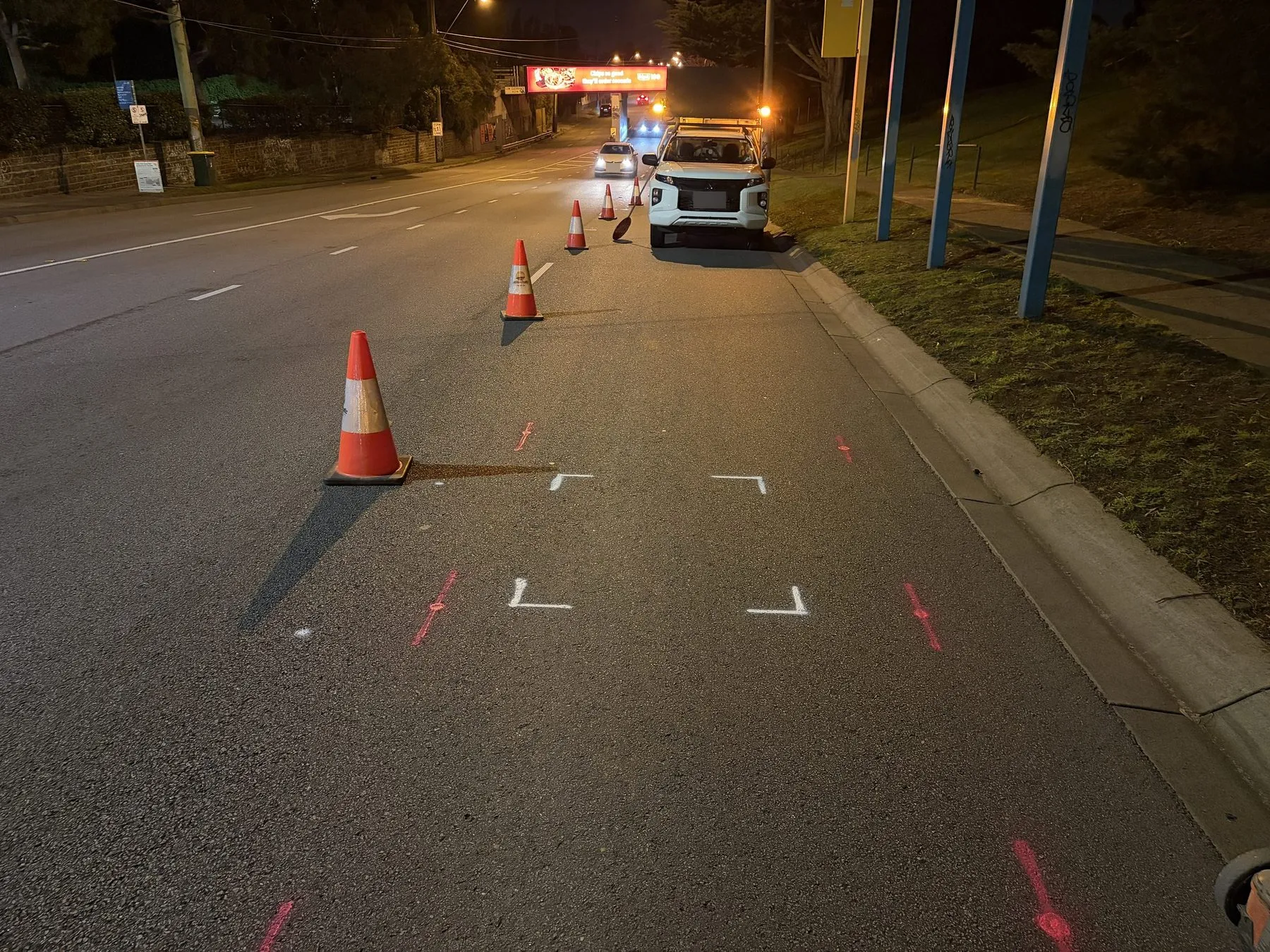
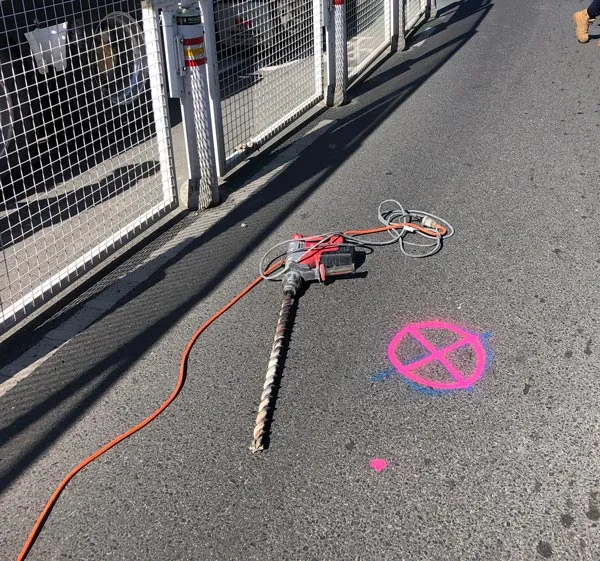
Service avoidance is locating in reverse. Instead of finding services, we find the places where there aren't any, so you can drill, dig a test pit or run a DCP test safely. It's mainly used for soil testing and environmental investigations.
How it works
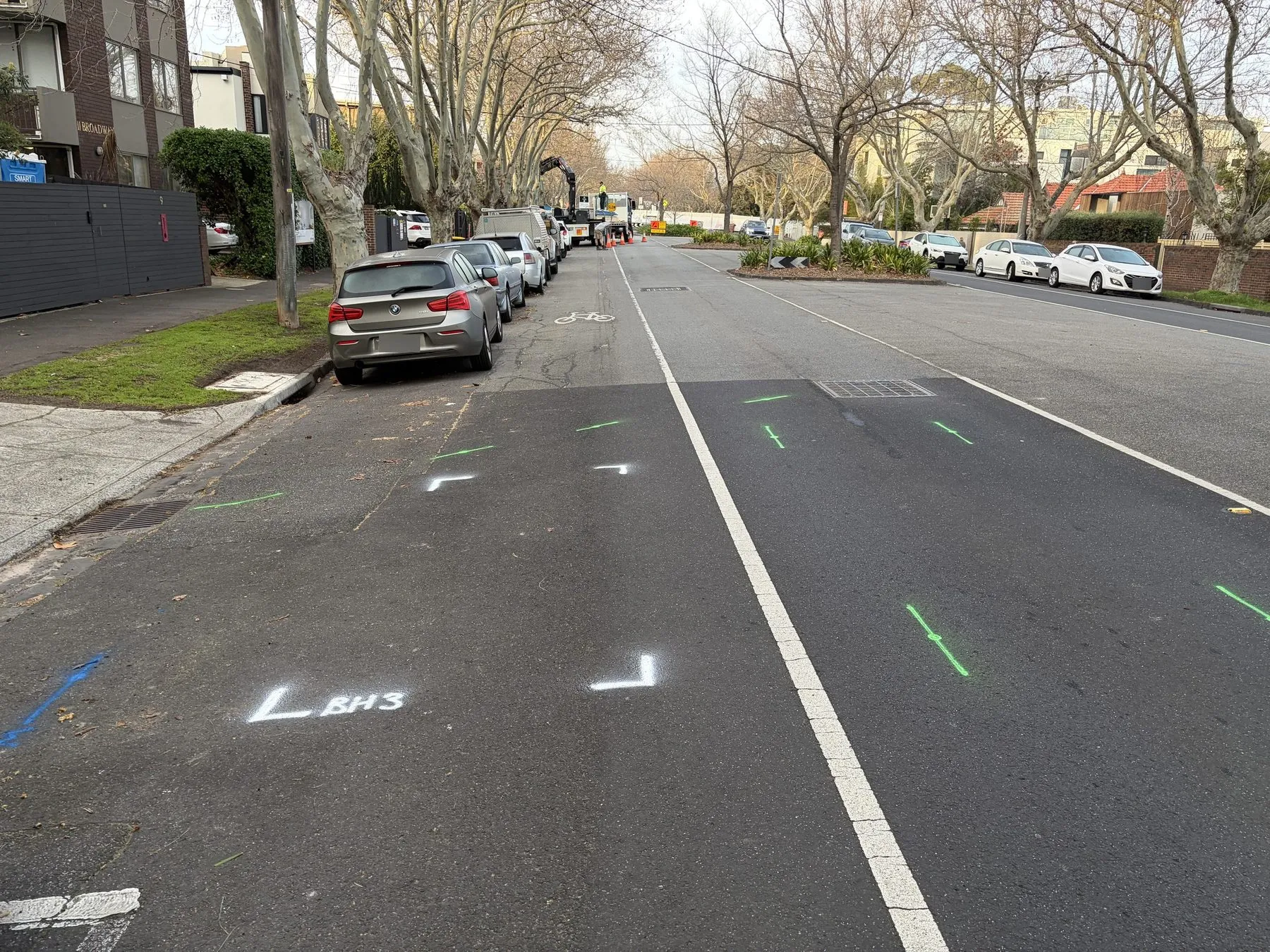
We sweep the proposed drilling or test locations with electromagnetic locating and ground penetrating radar, checking the BYDA plans as we go. Where a location is clear, we mark it on site. Where it isn’t, we find the nearest clear spot.
Who uses it
- Geotechnical drillers and soil testers
- Environmental consultants
- Engineers running DCP (dynamic cone penetrometer) tests
What you get
Clear locations marked on site and recorded in the report, so the driller and the client both have a record of where it was safe to work.
Common questions.
What is a service-clear location?
It's a spot where we've checked there are no detectable services, so you can drill a bore hole, dig a test pit or run a DCP test there. We mark the clear locations on site and record them in the report.
Do you work with geotechnical and environmental consultants?
Yes. Service avoidance is most often used for soil testing and environmental investigations, where drillers need clear locations before they start.
Do I need a locator if I already have BYDA plans?
Usually, yes. Before You Dig Australia (BYDA) plans show roughly where each asset owner thinks their services run, and they stop at your property boundary. A locator finds where the services actually are on the day, including private services such as power to a shed or a water line to a tank, which never appear on BYDA plans.
What does service locating cost?
It depends on the size of the site, how many services there are, the method needed (EM locating, GPR or both), the type of report and travel time. Call us with the address and the scope of your works and we'll give you a price.
How long does a locate take?
A typical residential locate takes one to two hours on site. Larger commercial or civil sites can take a day or more. We'll give you an idea of timing when you call.
What do the paint colours mean?
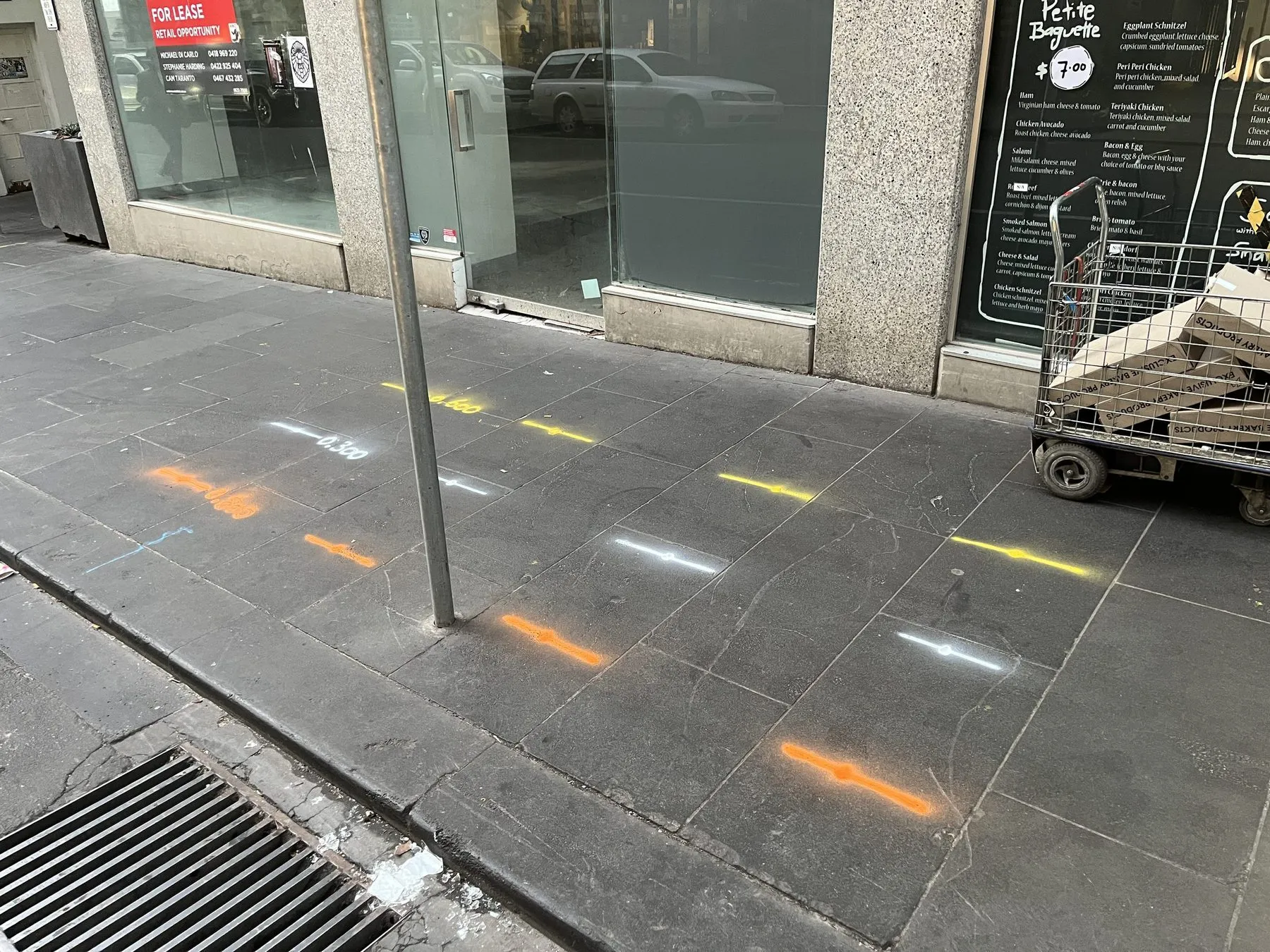
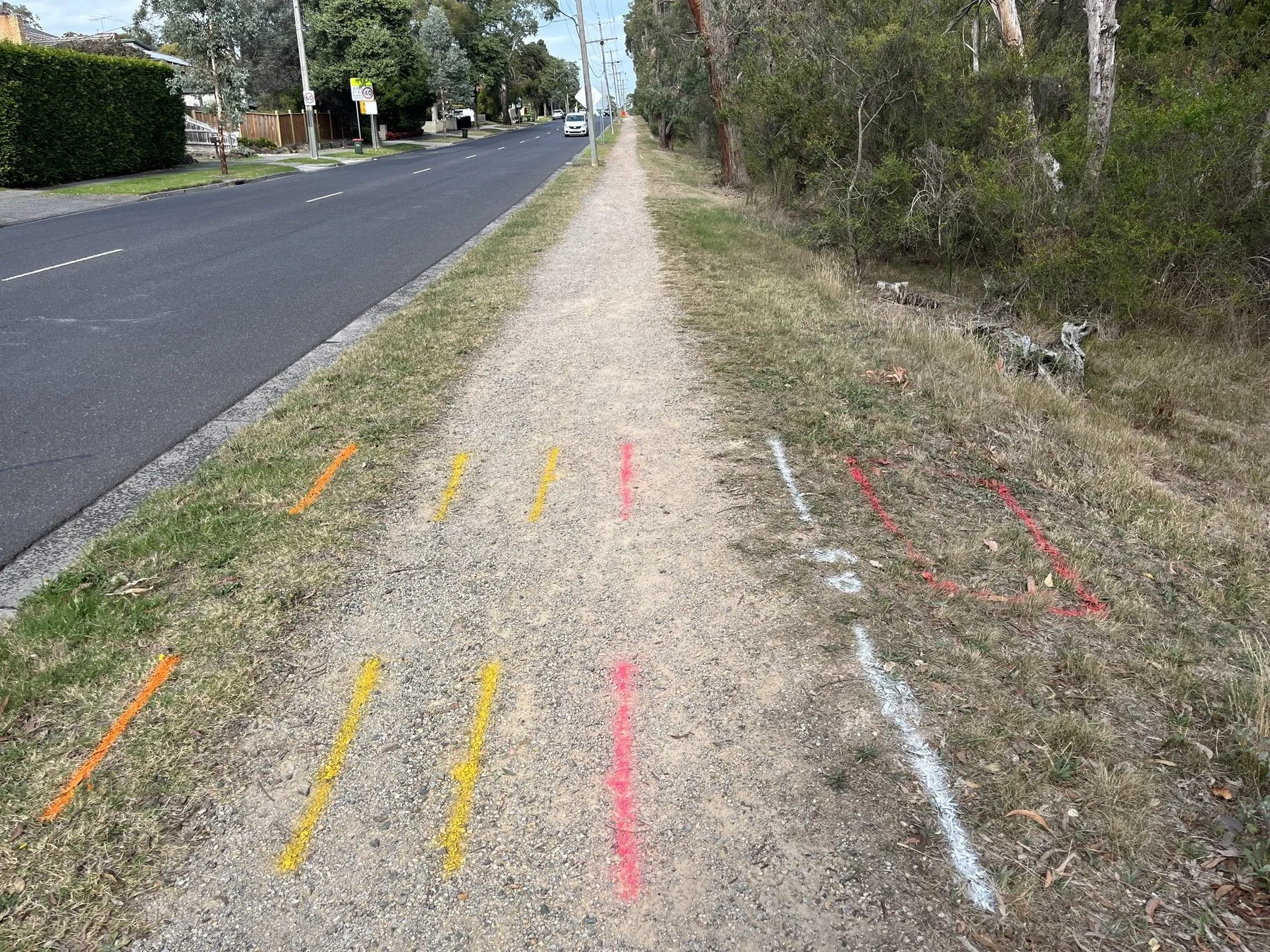
We mark services in the standard Australian colours from AS 5488: orange for electricity, yellow for gas, blue for water, green for storm water, brown for sewer, red for fire services, purple for recycled water, white for communications, and pink for a service we've found but can't identify. Depths are written beside the marks.
Related services.
Service Avoidance across Victoria.