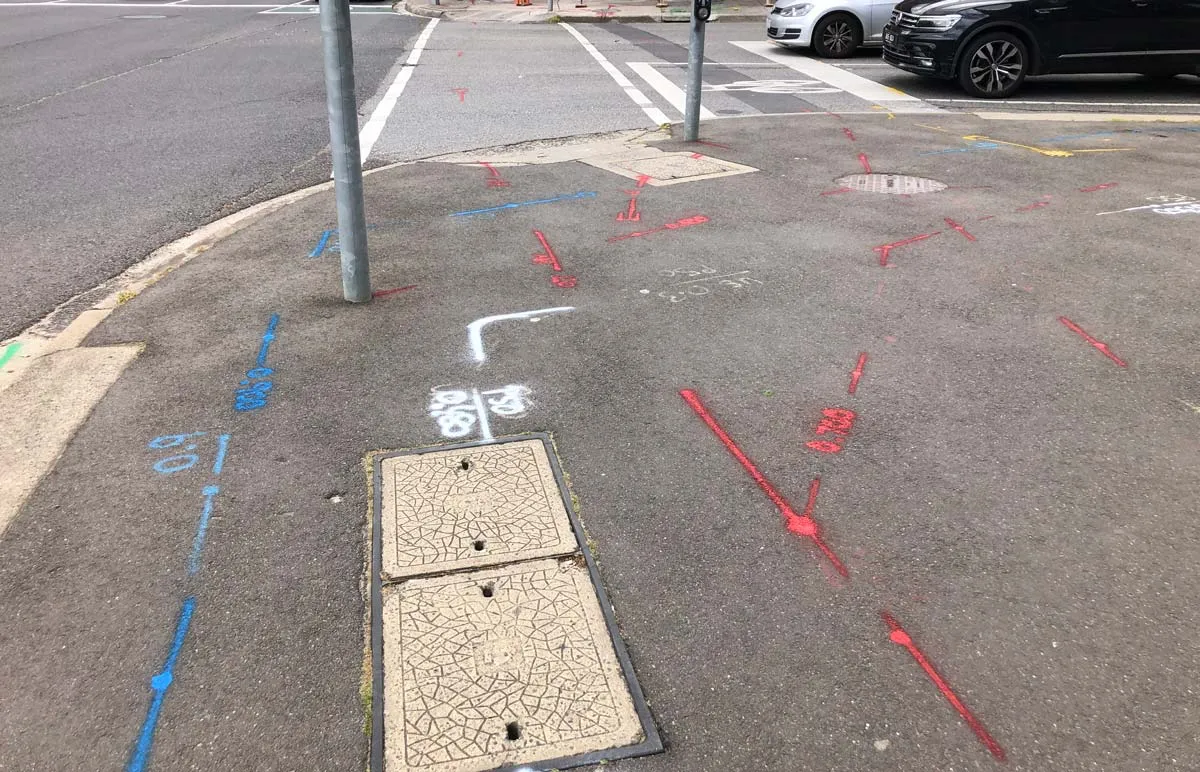

GPR scanning in Geelong, the Surf Coast and the Bellarine
We're now based in Geelong, so the same GPR and locating gear we use across Melbourne is closer to sites from Armstrong Creek to Torquay and Ocean Grove.
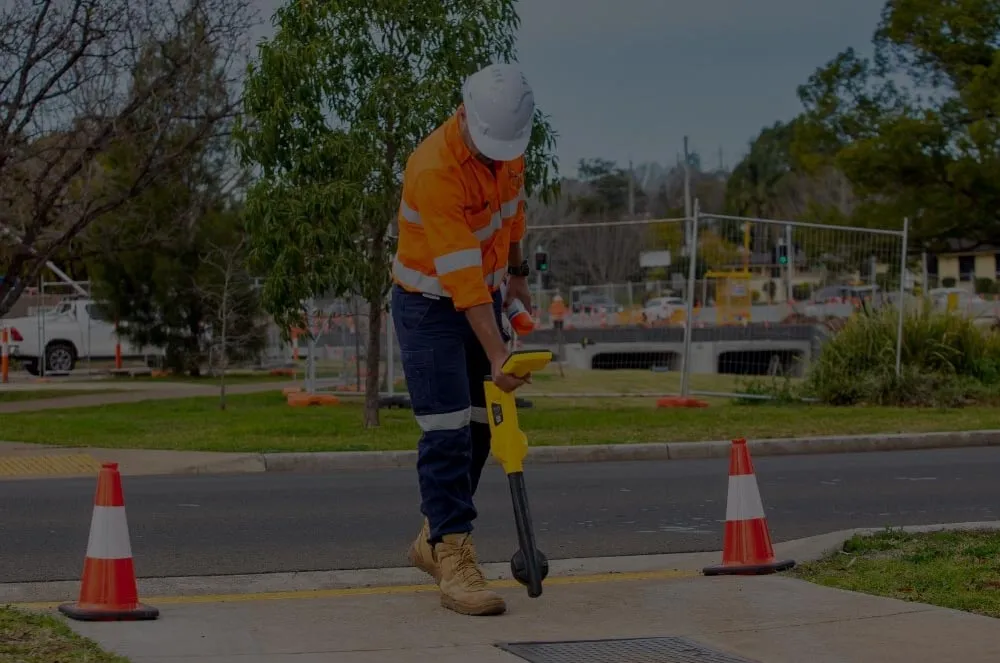
Aus-Scan is now based in Geelong and provides GPR scanning for builders and engineers across Greater Geelong, the Surf Coast and the Bellarine. We use a GSSI GPR with a Radiodetection RD8200 to find non-conductive services, footings, tanks and voids, and mark them out before you dig.
Why it matters
- Growth estates such as Armstrong Creek and Mount Duneed are full of new PE water and PVC conduit that a cable locator can't trace
- Industrial sites around North Geelong and Corio can hold old footings, slabs, pits and underground tanks from earlier uses
- Before You Dig Australia (BYDA) plans don't cover private services inside the boundary
- Coastal towns on the Surf Coast and Bellarine mix older homes with new builds, so services from different eras cross the same block
Done properly, start to finish.
Based in Geelong
Being based in Geelong puts us closer to jobs across Greater Geelong, the Surf Coast and the Bellarine, as well as the Melbourne work we already do.
New estates and old industrial land
On new estates we pick up plastic services with GPR. On industrial and older sites we look for footings, old structures, tanks and voids as well as live services.
Marked out and reported
Every service is marked in the AS 5488 colours with depths, and you get a photo report or a detailed plan to keep with the job.
Ready to book? Talk to us about your site.
Call 0423 229 332What we'll use.
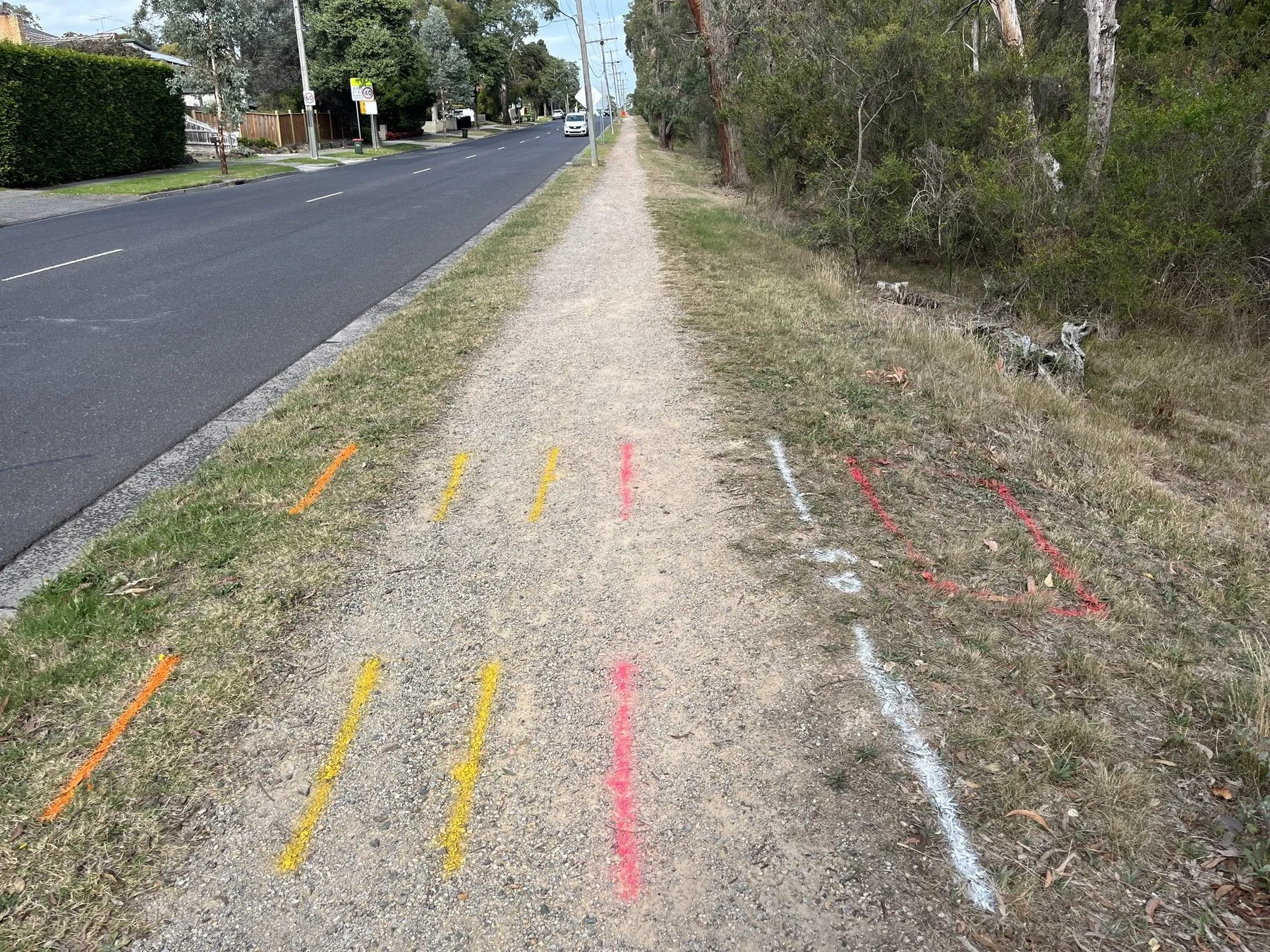
GPR Scanning
Find what EM can't: plastic pipes, footings, voids and wet ground.
GPR Scanning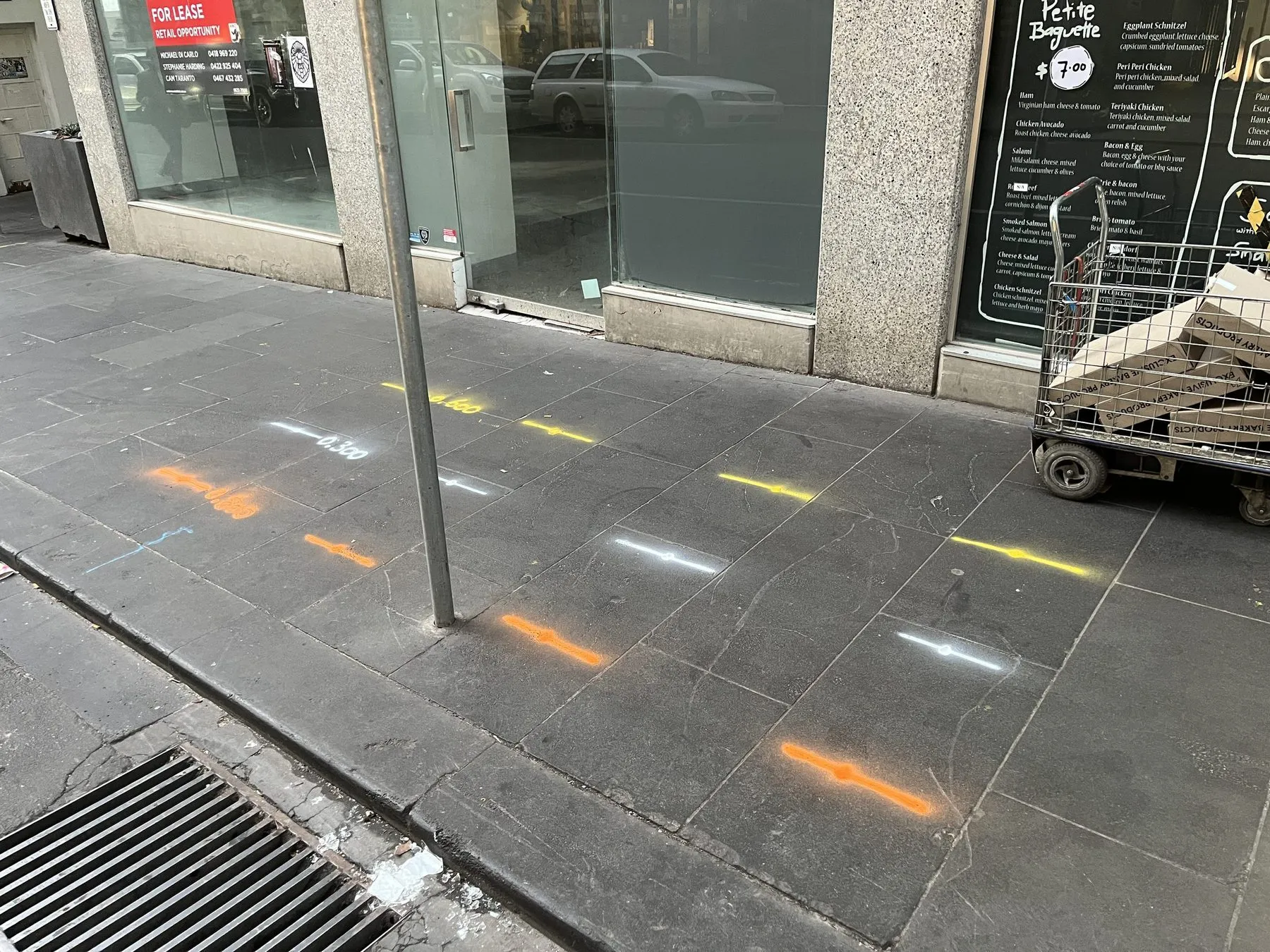
Service Locating
Trace live cables and pipes for position, depth and type.
Service Locating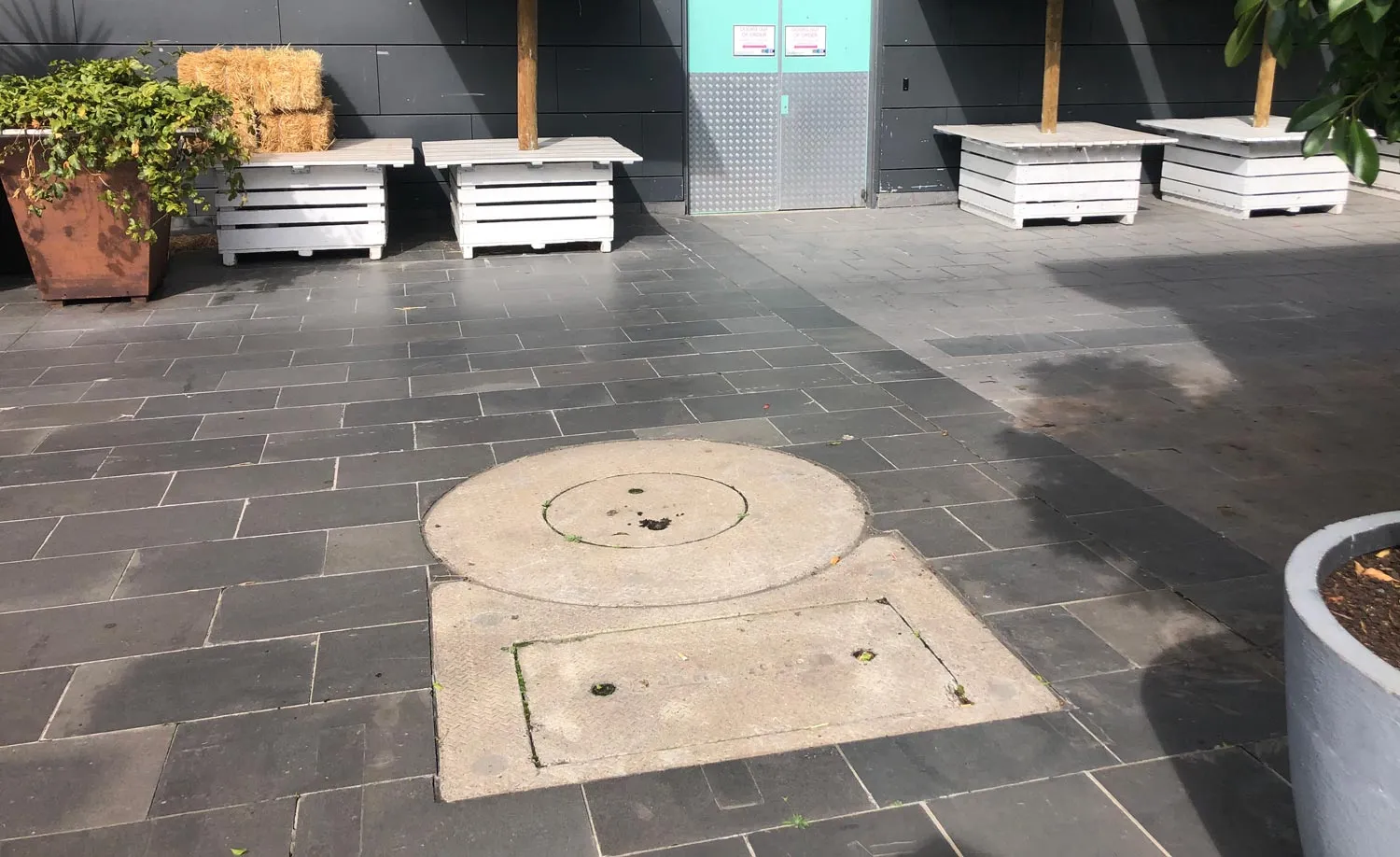
Underground Tank Detection
Find the position, depth and extent of old fuel and oil tanks.
Underground Tank Detection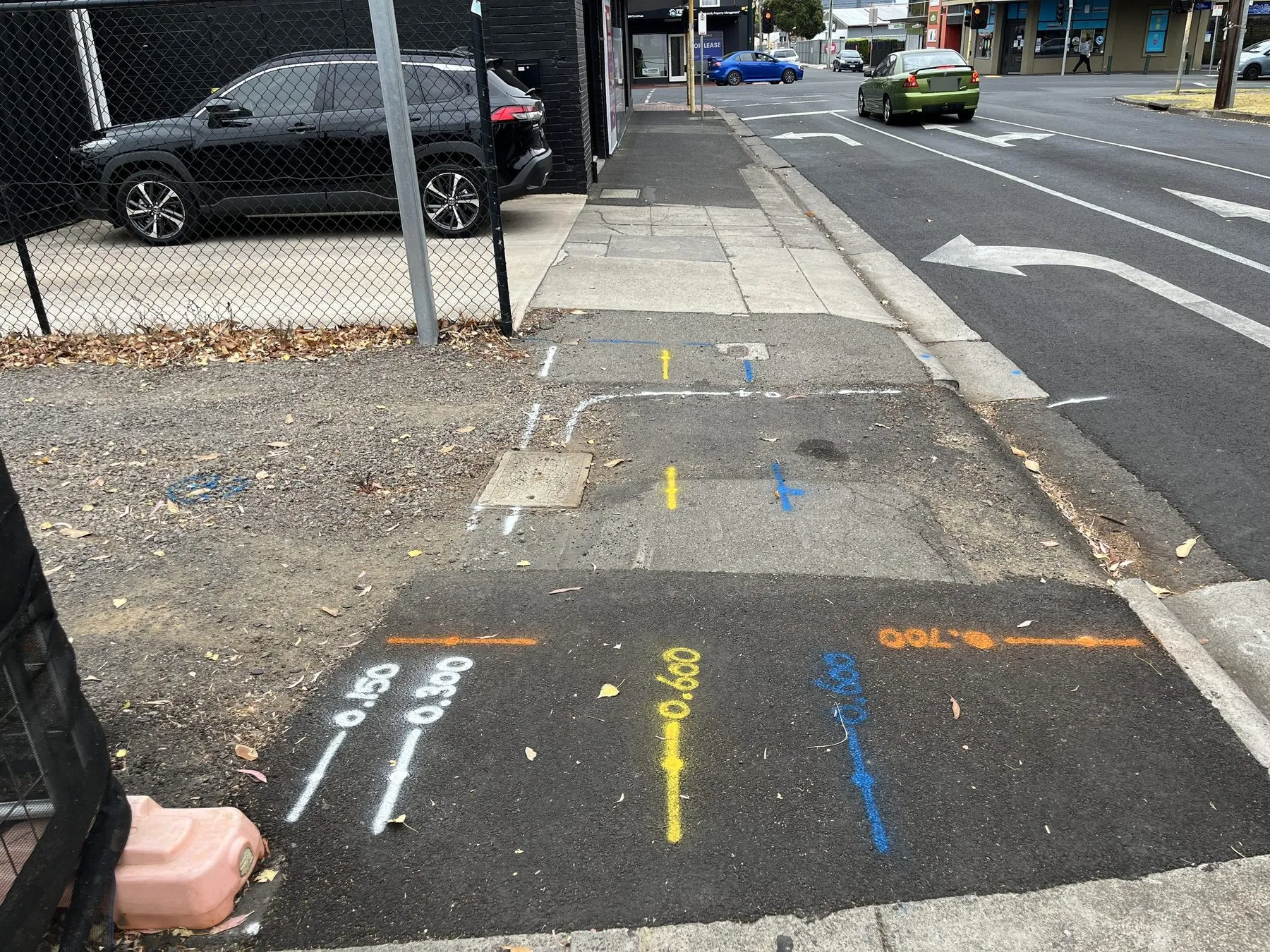
Plans & Reports
A photo report on every job, or a detailed plan with quality levels.
Plans & ReportsCommon questions.
How deep can GPR see?
It depends on the ground. In dry, sandy soil GPR can see a few metres down. In wet ground or heavy clay the signal is absorbed much faster and the useful depth drops a long way. We'll tell you upfront if your site's conditions are likely to limit it.
Why doesn't GPR work everywhere?
Radar signals are absorbed by moisture and clay, and scattered by rubble and reinforcing. GPR isn't suited to every site, but it's an essential tool alongside electromagnetic locating.
Can you find plastic pipes?
Often, yes. A cable locator can't trace plastic pipes unless they have a tracer wire, but ground penetrating radar can detect them in suitable ground. That's why we use both methods together.
Is underground scanning the same as service locating?
Mostly, yes. Service locating, underground locating, utility scanning and tracing pipes and cables all describe finding what's buried before you dig. In practice we use two tools together: an electromagnetic locator to trace conductive cables and pipes, and ground penetrating radar to scan for plastic pipes, voids and other things a locator can't follow.
Do you remove tanks?
No. We locate and outline underground tanks. Removal and any contamination testing are done by licensed contractors, and our report gives them what they need to plan the job.
Can you tell the size and depth of a tank?
Yes. Using GPR we can locate an underground tank and work out its depth and extent, which helps you plan removal or further investigation.