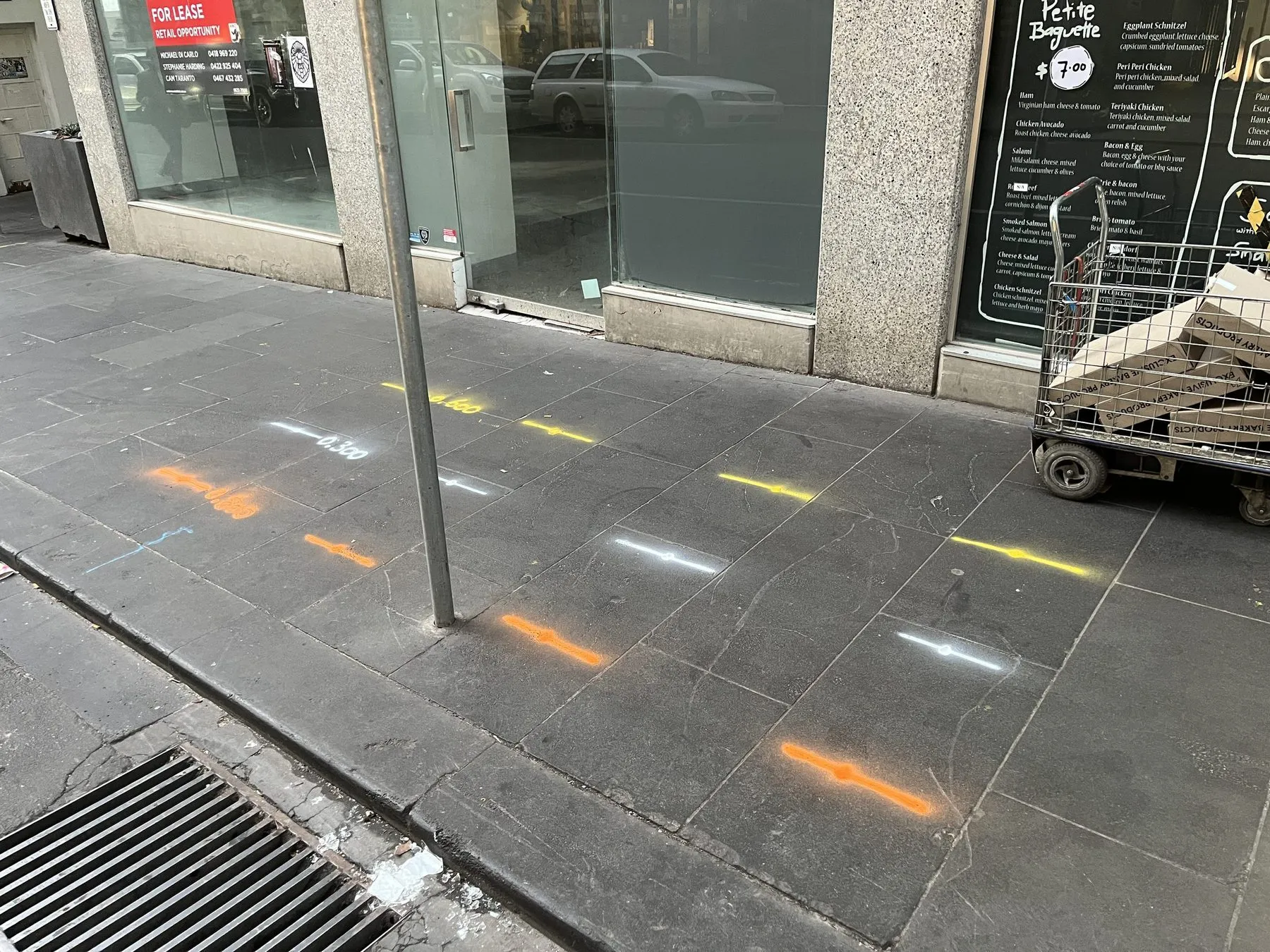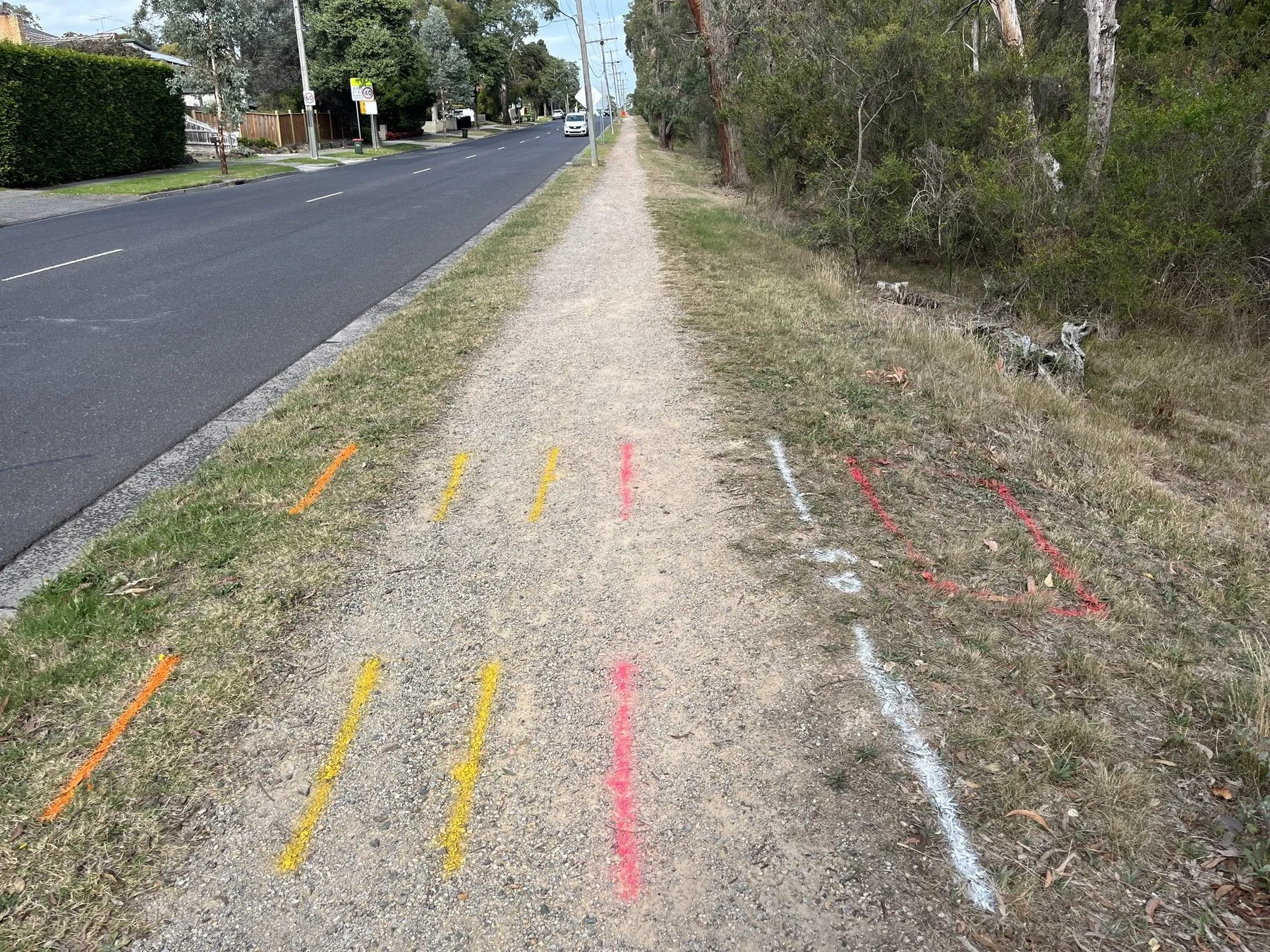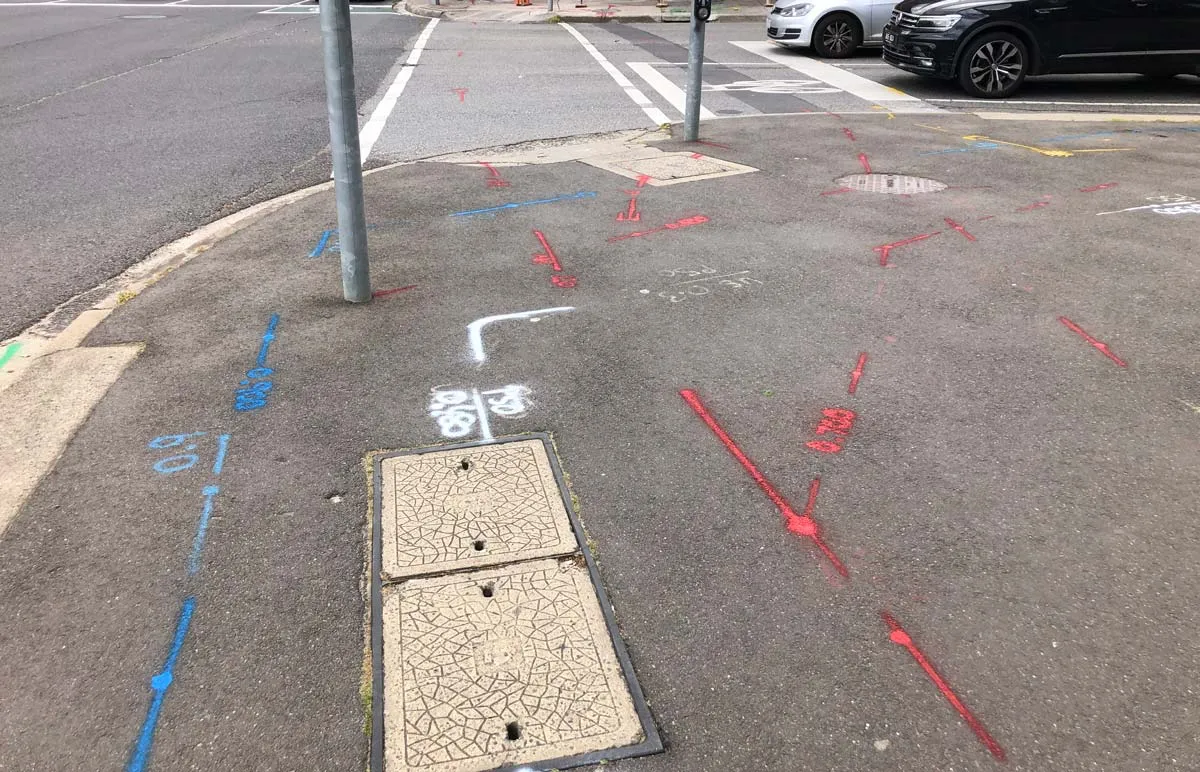

Nobody plans to hit a service. But if it happens, what you do in the next few minutes matters more than anything else on the job.
This is general guidance from a locator’s point of view. It isn’t a substitute for your site’s emergency procedures, your safe work method statement or the official guidance from regulators. Read those before you start work, not after something goes wrong.
1. Stop work
The moment you hit something, or think you might have, stop. Don’t keep digging to see what it is.
If you’re in an excavator, stop moving the bucket. With a power cable, the machine itself may be live. If it’s safe to stay in the cab, stay there until the danger is cleared. Only leave the machine if you have to, such as for a fire, and follow your site’s procedure for doing it safely.
2. Move people away
Get everyone away from the area, including workers, passers-by and anyone who has come over to have a look.
- Power: treat the ground, the machine and anything touching it as live. Keep well clear.
- Gas: move people upwind and well away. Remove ignition sources. Don’t start vehicles, use phones close by, smoke or operate switches near the leak.
- Water or sewer: watch for undermining, flooding of the excavation and contamination.
- Communications: generally lower risk to people, but still stop work and keep clear until the cable is identified. Fibre and copper can share trenches with other services.
If you can’t tell what you’ve hit, assume it’s the most dangerous option.
3. Don’t try to fix it
Don’t try to repair, cover up, bend back, tape, plug or bury a damaged service. Don’t try to turn off a gas or water supply in the street unless the asset owner tells you to and it’s safe.
Even a small nick in a cable or a scrape on a gas pipe needs to be checked by the asset owner. Damage you can’t see now can fail later.
4. Call 000 if anyone’s hurt or there’s an immediate danger
If anyone is injured, if there’s a fire, a strong smell of gas, sparking, or any other immediate danger, call 000 straight away. Tell them what’s been hit, if you know, and where you are.
Don’t touch a person who may be in contact with a live electrical service. Wait until the power is confirmed off.
5. Contact the asset owner
Your Before You Dig Australia (BYDA) plans list each asset owner’s contact details, including emergency numbers. This is one reason to keep the plans on site, not back at the office.
Call the asset owner for the service you’ve hit, tell them what’s happened and follow their instructions. If you’re not sure which service it is, the plans will help narrow it down. If they don’t cover it, it may be a private service, and the property owner and a licensed trade will need to be involved.
6. Make the site safe and wait
Keep the area clear until the asset owner or emergency services arrive and take control. Put up barriers or tape if you can do so safely.
Don’t backfill the excavation. The asset owner will need to see the damage.
7. Report it
Once the immediate danger is over, report the incident. That means your supervisor and principal contractor, and the asset owner if they haven’t already been told.
WorkSafe Victoria and Energy Safe Victoria publish official guidance on incident reporting. Check it rather than guessing what applies to your job.
Record what happened while it’s fresh: photos, the time, who was there, what was hit and what was done. Keep your BYDA plans and any locating report with the record.
Preventing the next one
Most strikes happen because a service wasn’t where someone expected, or wasn’t on the plans at all. A few habits make a big difference:
- Lodge a BYDA enquiry for every job and read every response
- Get the area located before you dig, including private services that won’t appear on the plans. Electromagnetic locating traces metal pipes and cables, and GPR looks for plastic pipes that EM can’t see
- Keep the marks visible and re-mark them if they’re damaged
- Hand dig or use non-destructive digging near marked services, and expose them before machine work gets close
To get your next dig located before work starts, call us or request a callback.