
Old underground tanks have a habit of turning up at the worst time: halfway through a property sale, the week before demolition, or when an excavator bucket finds something hollow.
If you suspect there’s a tank on a site, the first job is to find out where it is and how big it is. Here’s where they tend to turn up, how we find them, and what happens next.
Where old tanks turn up
Underground tanks were once a normal way to store fuel and heating oil. Many were left in the ground when they stopped being used, and records of them are often patchy or missing.
They commonly turn up on:
- Former service station sites, including sites that have been something else for many years
- Older homes that once ran oil heating, where the tank was usually buried in the yard or under a driveway
- Industrial and commercial sites, such as workshops, depots and factories that kept fuel for vehicles or machinery
- Farms, where fuel was often stored on site for machinery
Clues on the surface
A tank is often hidden, but it usually leaves some evidence behind:
- A fill pipe or vent pipe sticking out of the ground or running up a wall
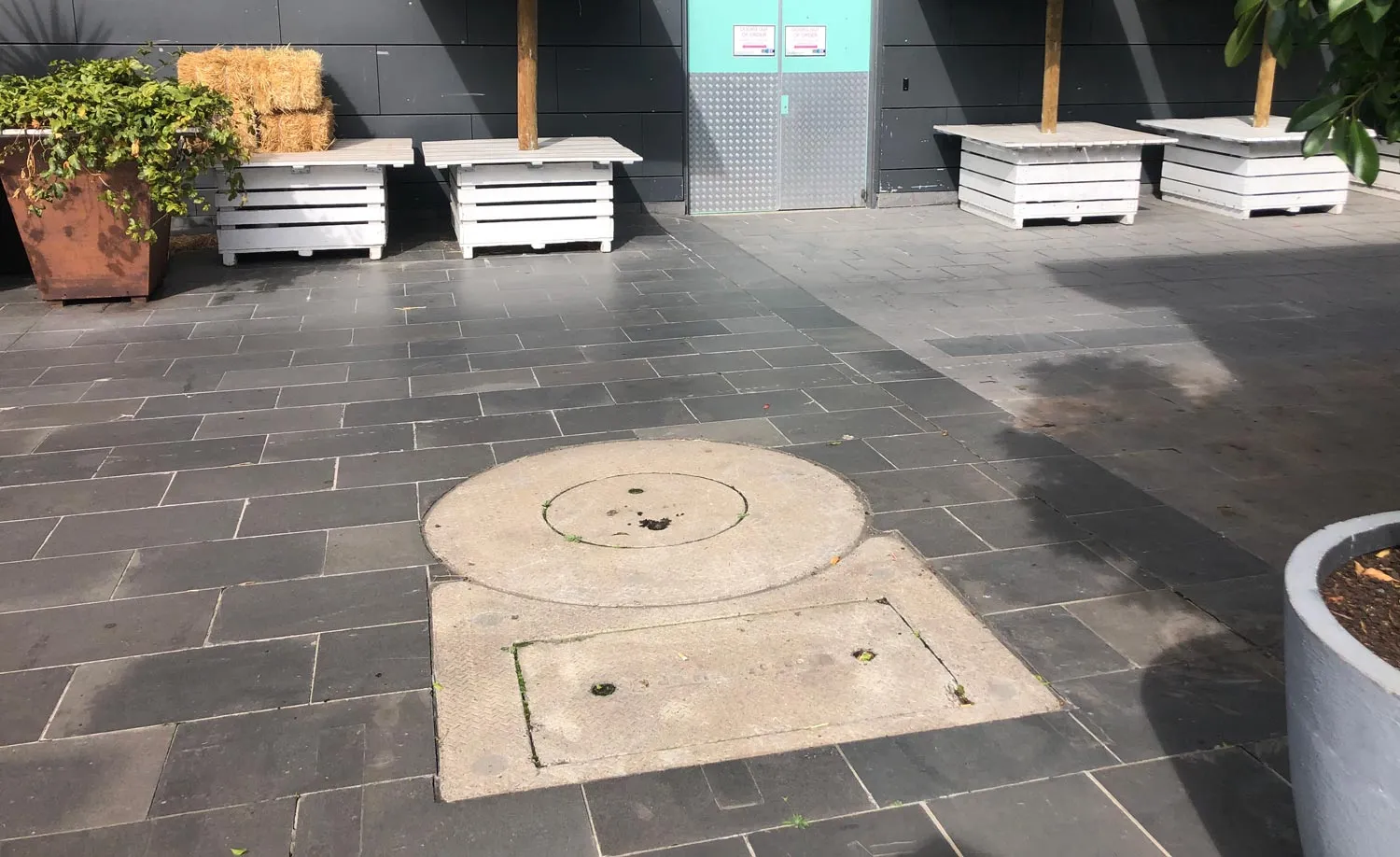
- A round or square access lid in a driveway, lawn or paving
- An old oil heater, or a capped pipe through the wall where one used to be
- Patches of concrete or paving that don’t match their surroundings
- Old site plans, photos or council records that show fuel storage
None of these confirm a tank on their own. Some lids belong to stormwater pits or water tanks, and some fill pipes lead to tanks that were removed long ago. They’re a good reason to look more closely.
How GPR finds a tank
We use ground penetrating radar to locate underground tanks. GPR sends radar pulses into the ground and records what reflects back. A buried tank gives a strong, distinctive reflection compared with the soil around it.
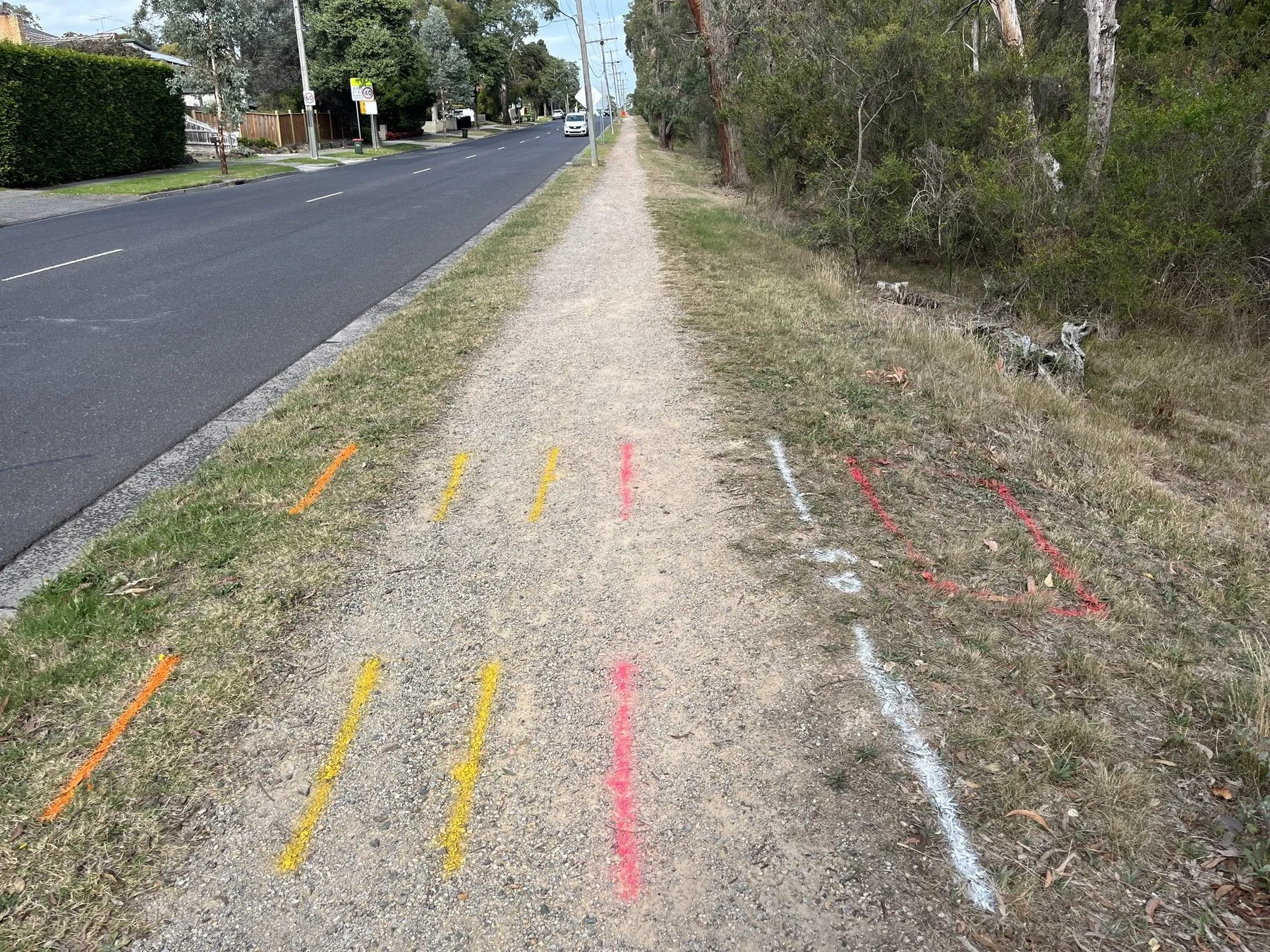
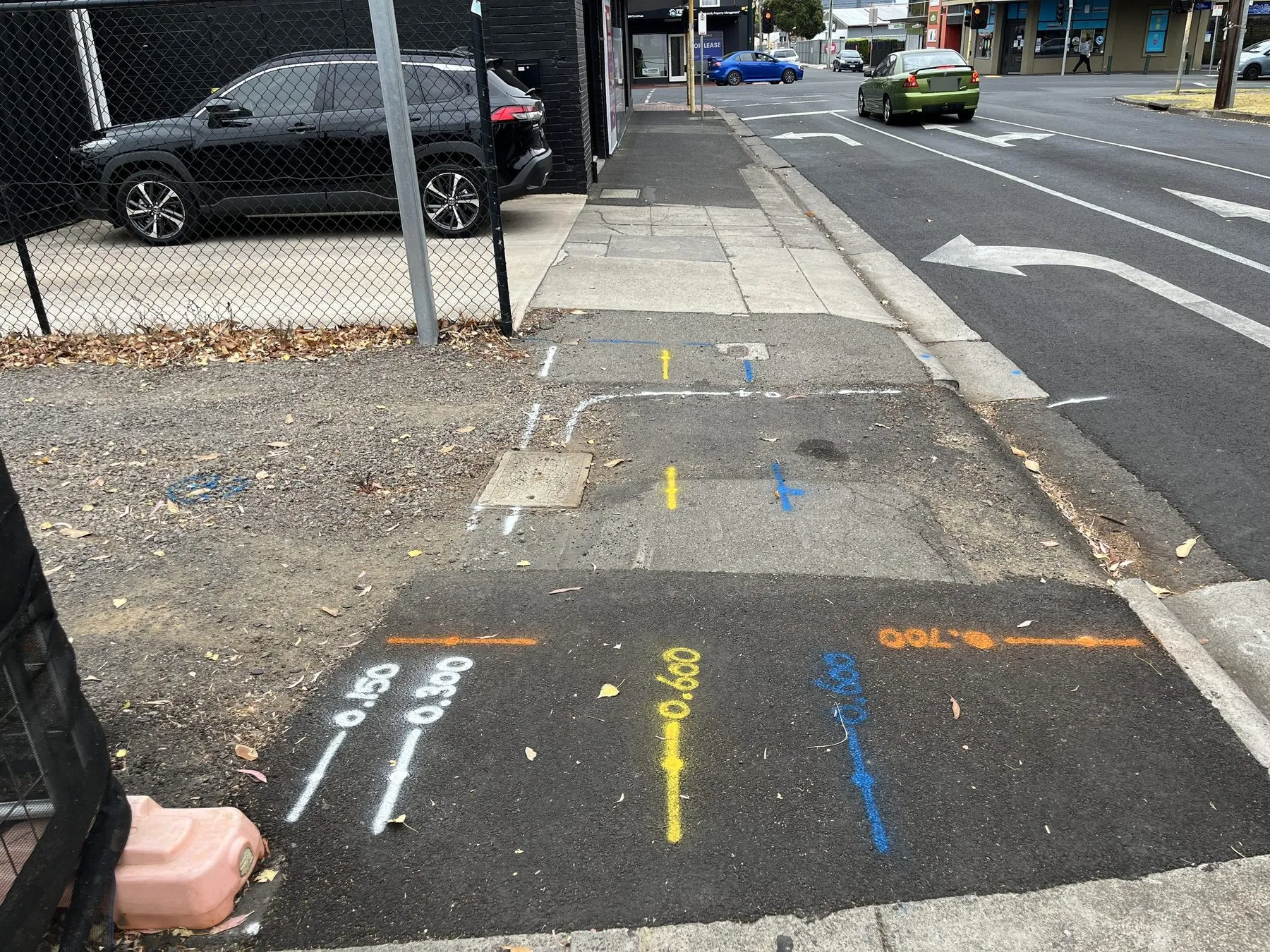
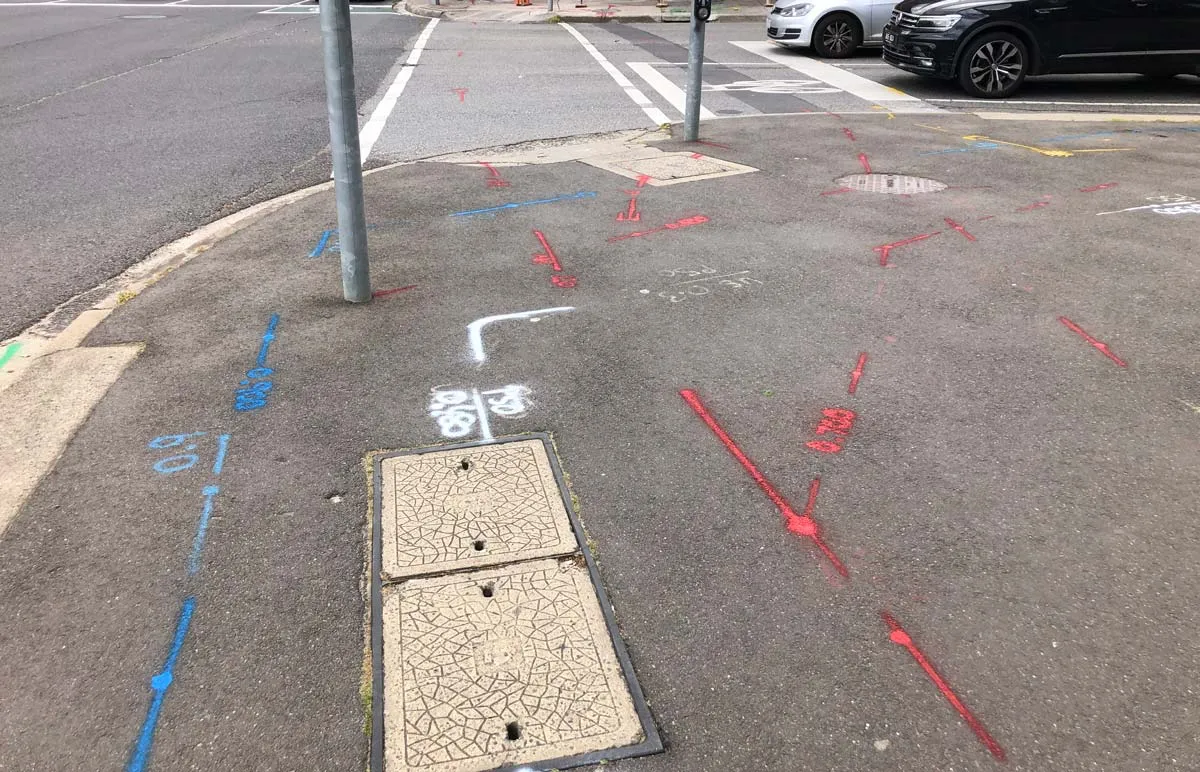
By scanning in a grid over the suspected area, we can locate the tank and work out its position, depth and extent. We mark its outline on the ground, which gives everyone a clear picture of what they’re dealing with before any digging starts.
We’ll also check the area for buried services, because fill and vent pipes, and the services around them, are easy to hit when the time comes to excavate.
Where GPR has limits
GPR works well in many conditions, but not all. Wet ground and heavy clay absorb the signal and reduce how deep it can see. Reinforced concrete slabs and rubble-filled ground can scatter it and hide what’s below.
If the conditions on your site are likely to limit the scan, we’ll tell you upfront. Where a tank is deep or the ground is difficult, the results may need to be confirmed by careful excavation.
What we don’t do
We locate and outline underground tanks. We don’t remove them, and we don’t test for contamination.
Removal, decommissioning and contamination assessment are done by licensed contractors and environmental consultants. EPA Victoria publishes guidance on managing underground petroleum storage systems, and the contractor you engage will work to it. They’re the right people to advise on what your site needs.
What we give them is a clear starting point: where the tank is, how deep it is and how big it is.
What goes in the report
After an underground tank scan, you get a report recording:
- The location and outline of the tank, marked on site and recorded in the report
- Its approximate depth and extent
- Any services found nearby
- Any limits on the scan, such as areas we couldn’t access or ground conditions that reduced the depth we could see
That’s the information the removal contractor, environmental consultant or buyer needs to plan the next step.
When to call us
The earlier you know about a tank, the more options you have. Common times to book a scan are:
- Before buying a property with a history of fuel storage
- Before demolition or redevelopment
- When a fill pipe, vent or lid turns up and nobody knows what it’s connected to
- When an environmental consultant needs a tank’s location for their assessment
If you think there’s a tank on your site, call us or request a callback.